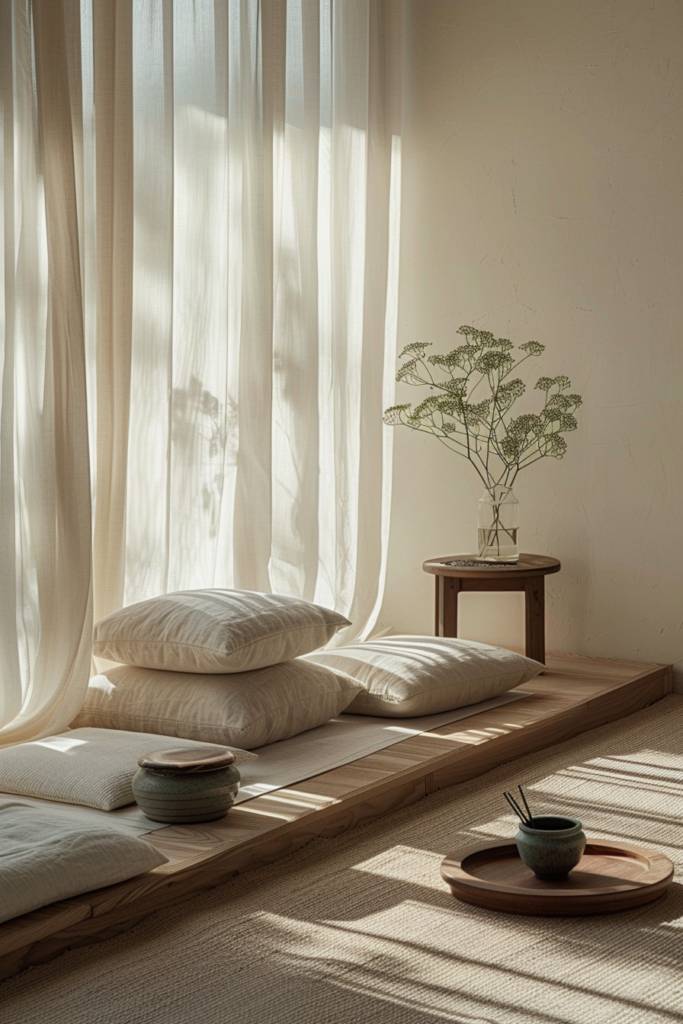
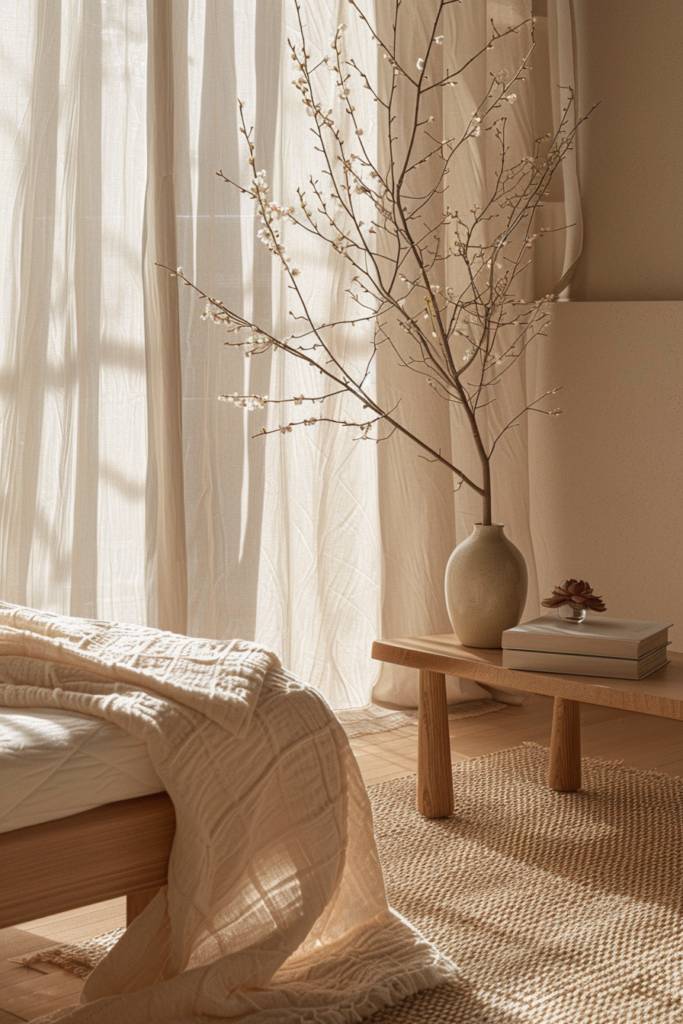
• Skip to primary navigation
  • Skip to main content
  • Skip to primary sidebar

Shower Redefined

Redefine your Shower Experience

  • Home
  • Blog
  • Review
    • Cleaner
      • Glass Shower Door Cleaner
      • Shower Cleaner
      • Drain Cleaner
    • Shower Head
    • Toilet
  • Contact Us
  • About Us
  • Show Search
Hide Search

Japandi design

25 Japandi Interior Ideas for Zen-Like Balance

April 18, 2025 By Mark Benett

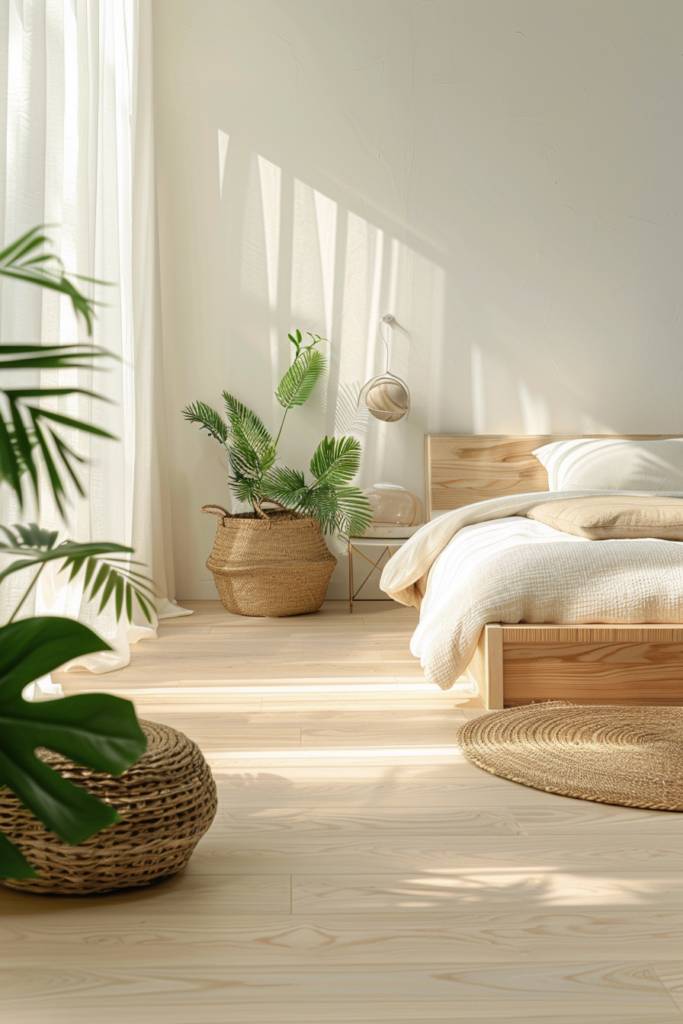
Transform your home into a calming sanctuary with 25 Japandi interior ideas that blend minimalist elegance with natural elements. Embrace neutral color palettes and earthy tones to create a serene backdrop. Incorporate warm woods and natural materials for texture, while choosing minimalist furniture that prioritizes function. Add indoor plants for life and softness, and round out the design with rugs to enhance warmth. Discover how simple choices foster zen-like balance throughout your space. There’s so much more ahead to explore!

1. Embrace Neutral Color Palettes
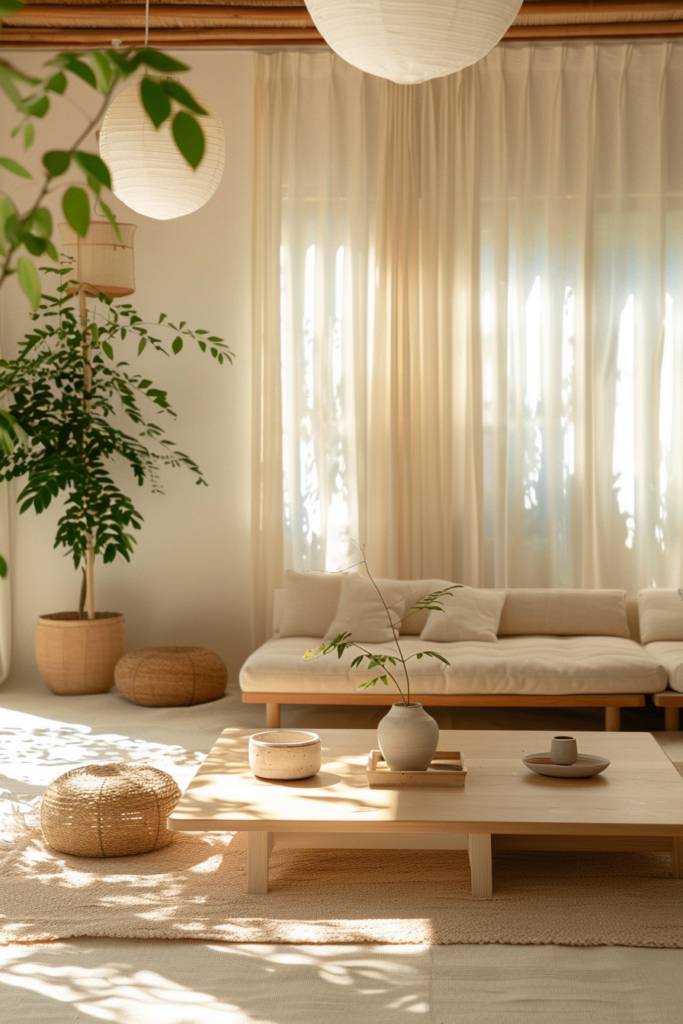
When you embrace neutral color palettes in your Japandi-inspired space, you’re not just choosing colors; you’re creating a serene atmosphere that fosters relaxation and mindfulness. Soft whites, muted grays, and earthy beiges form a calming backdrop, allowing other elements to shine without overwhelming the senses. The beauty of these hues lies in their versatility; they blend seamlessly with both modern and traditional furnishings.

By incorporating varying shades within your palette, you can add depth and dimension, creating visual interest while maintaining a tranquil vibe. This approach encourages a sense of harmony, making your space feel cohesive and inviting.

Consider using textured fabrics and minimalist decor to enhance the overall aesthetic. This not only adds warmth but also emphasizes the simplicity that defines Japandi style. Ultimately, a neutral palette invites you to unwind, providing the perfect sanctuary for reflection and rejuvenation.

2. Incorporate Natural Materials
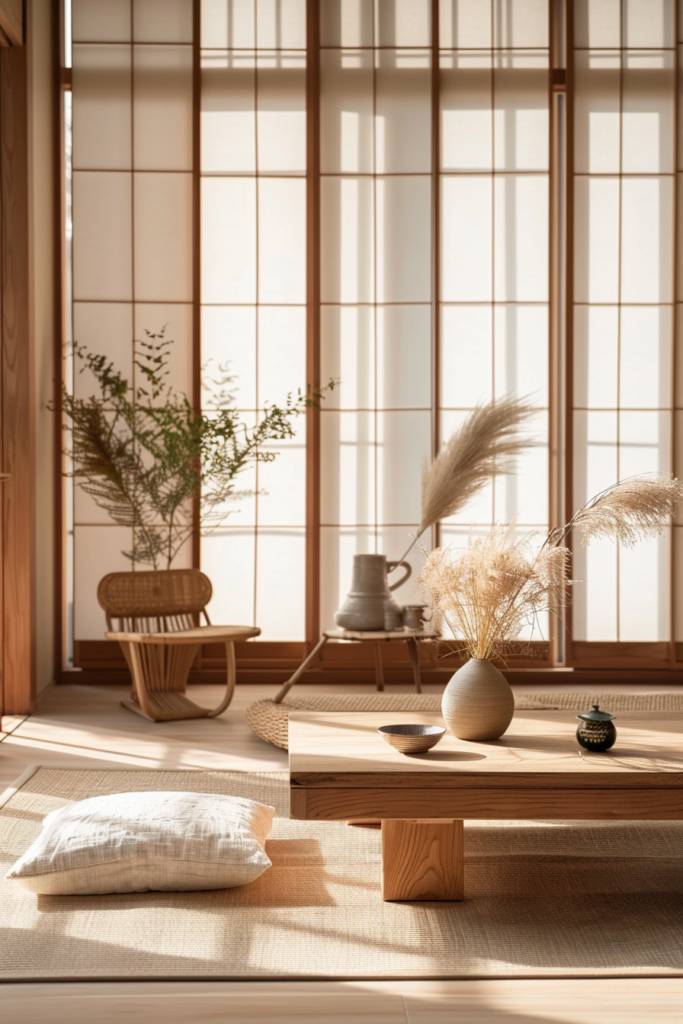
Incorporating natural materials into your Japandi interior brings an organic touch that enhances the overall aesthetic. Think about using wood, stone, bamboo, and jute to create a harmonious balance between nature and design. Choose warm-toned woods for furniture or flooring, as they add warmth and texture, grounding your space.

Stone accents, like a slate coffee table or a pebble vase, introduce a sense of solidity and connection to the earth. Bamboo, with its sleek lines, can be used in window treatments or decorative elements, bringing an airy feel.

Don’t forget textiles! Soft, natural fabrics such as linen and cotton add comfort while maintaining a simple elegance. Look for rugs made from jute or sisal to anchor your rooms. By thoughtfully integrating these materials, you’ll create a serene environment that embodies the Japandi philosophy of minimalism and nature’s beauty.

3. Choose Minimalist Furniture
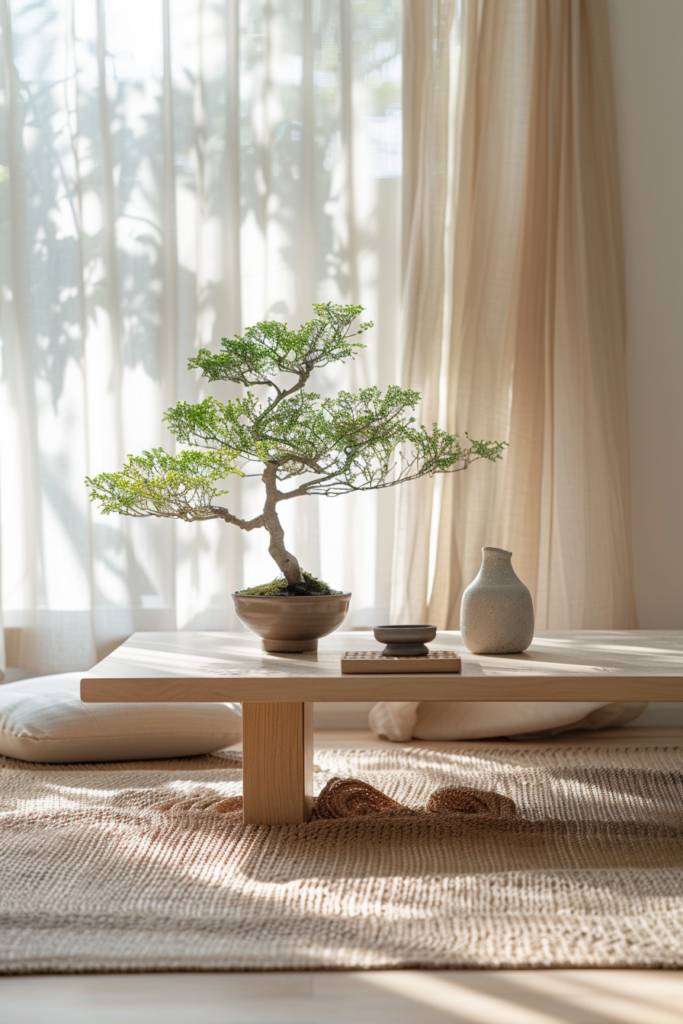
Minimalist furniture is the backbone of any Japandi interior, creating a clean and uncluttered space that promotes tranquility. When choosing your pieces, think simplicity and functionality. Opt for furniture with sleek lines and neutral colors that blend seamlessly into the background, allowing natural materials and textures to shine. Look for items made from wood, bamboo, or rattan, emphasizing craftsmanship and organic shapes.

Consider multi-functional furniture, such as a low-profile coffee table that doubles as storage, to maximize space while keeping things tidy. Avoid ornate details and heavy embellishments; instead, embrace pieces that speak to the beauty of simplicity.

Incorporate a few statement pieces that resonate with you, but remember less is often more. This minimalist approach not only enhances the aesthetic but also fosters a sense of calm, inviting you to relax and recharge in your serene sanctuary.

4. Use Low-Profile Seating
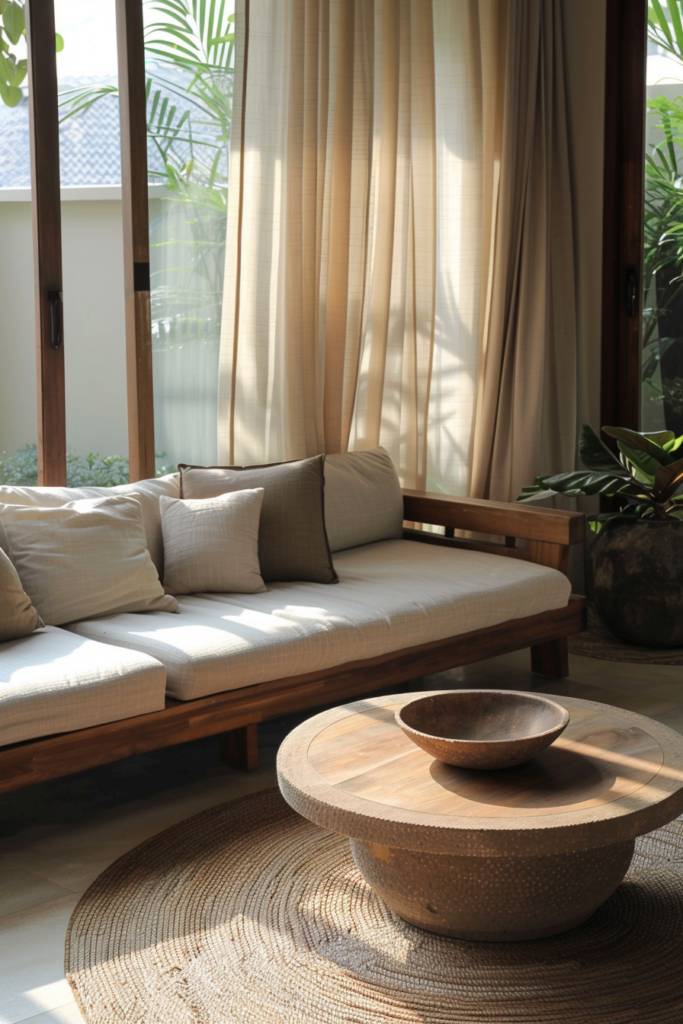
Low-profile seating is essential for achieving the Japandi aesthetic, offering a sense of groundedness that complements the overall design. These low-slung chairs and sofas invite a feeling of tranquility, encouraging relaxation and mindfulness. Think about incorporating pieces crafted from natural materials like wood or woven fibers, which harmonize beautifully with the minimalist approach.

When choosing your seating, look for clean lines and subtle colors that blend seamlessly with your space. This not only maintains the serene atmosphere but also maximizes the visual flow of your room. You might consider adding cushions or throws in muted tones to enhance comfort while keeping the look refined.

5. Add Indoor Plants
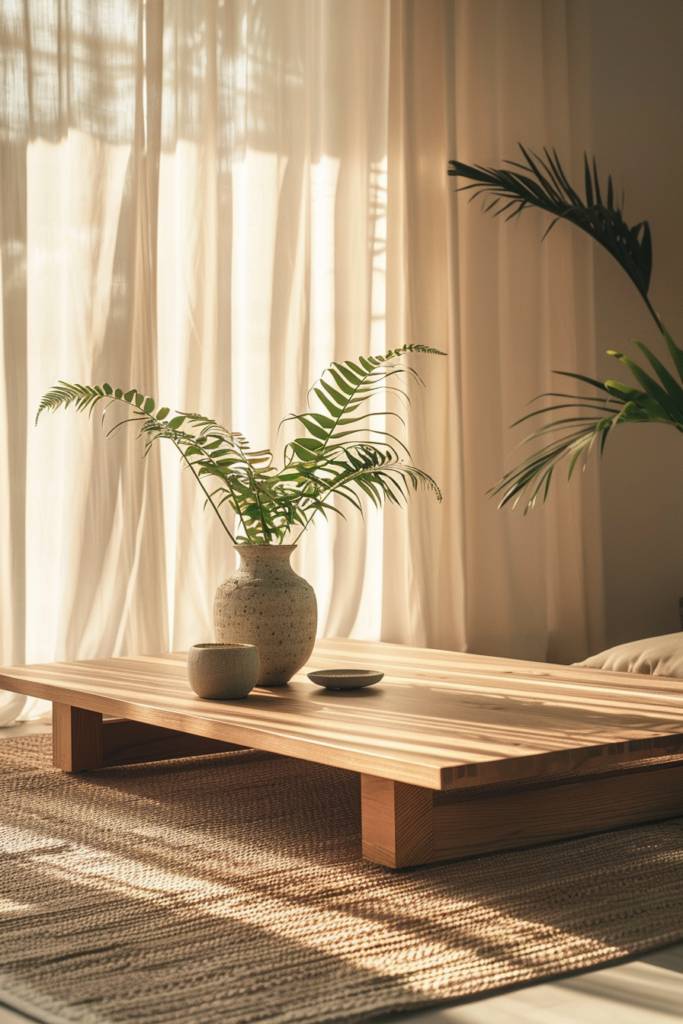
While you’re curating your Japandi space, adding indoor plants can elevate the serene vibe and bring a touch of nature indoors. Think about incorporating plants like snake plants or pothos, which not only purify the air but also thrive in low light. Their lush green leaves create a beautiful contrast against the minimalist decor typical of Japandi style.

Consider using simple, ceramic pots or wooden planters that blend seamlessly with your aesthetic. Place them on low tables or windowsills to draw the eye and create a sense of harmony.

Grouping plants of varying heights can add depth and interest, while staying true to the Japandi principle of balance. You might also want to choose plants with sculptural forms, like a ZZ plant, for a striking focal point. Ultimately, these natural elements will enhance your space, making it feel more inviting and tranquil.

6. Opt for Sliding Doors
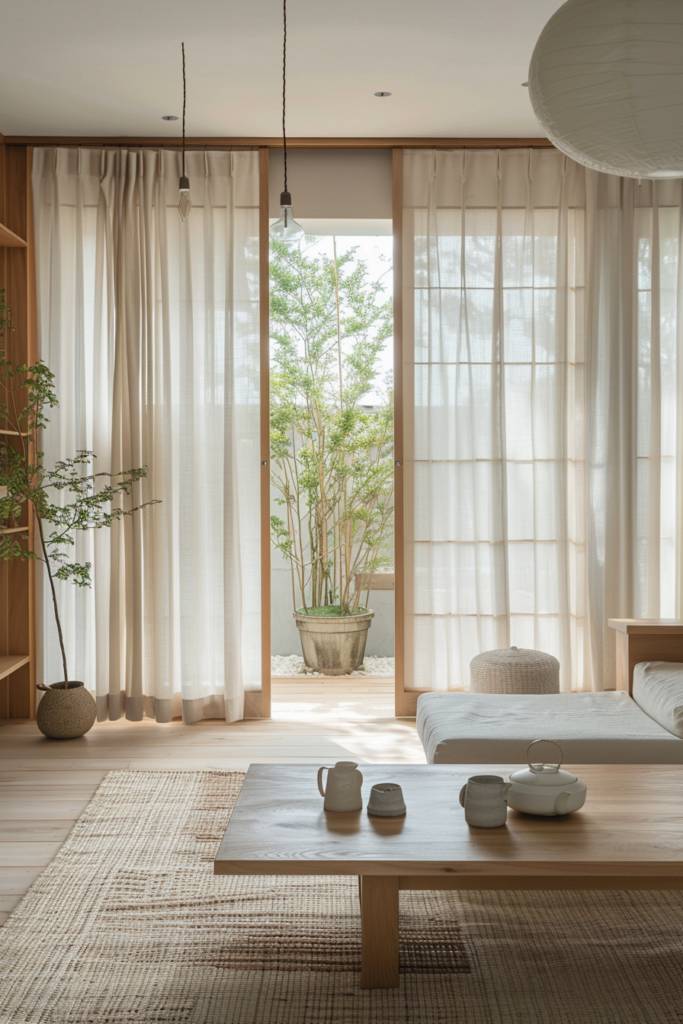
Sliding doors can be a stunning addition to your Japandi interior, blending functionality with elegance. These doors seamlessly connect spaces while offering versatility in layout and design. You can choose from a variety of materials like wood or frosted glass, allowing you to match the natural aesthetics of Japandi style.

When closed, sliding doors provide privacy and reduce noise, creating a tranquil environment ideal for relaxation. When opened, they invite light and fluidity, enhancing your space’s overall ambiance.

Consider using sliding doors as room dividers to create intimate areas without sacrificing openness. Their minimalist design resonates with the Japandi philosophy, emphasizing clean lines and simplicity.

7. Create Open Spaces
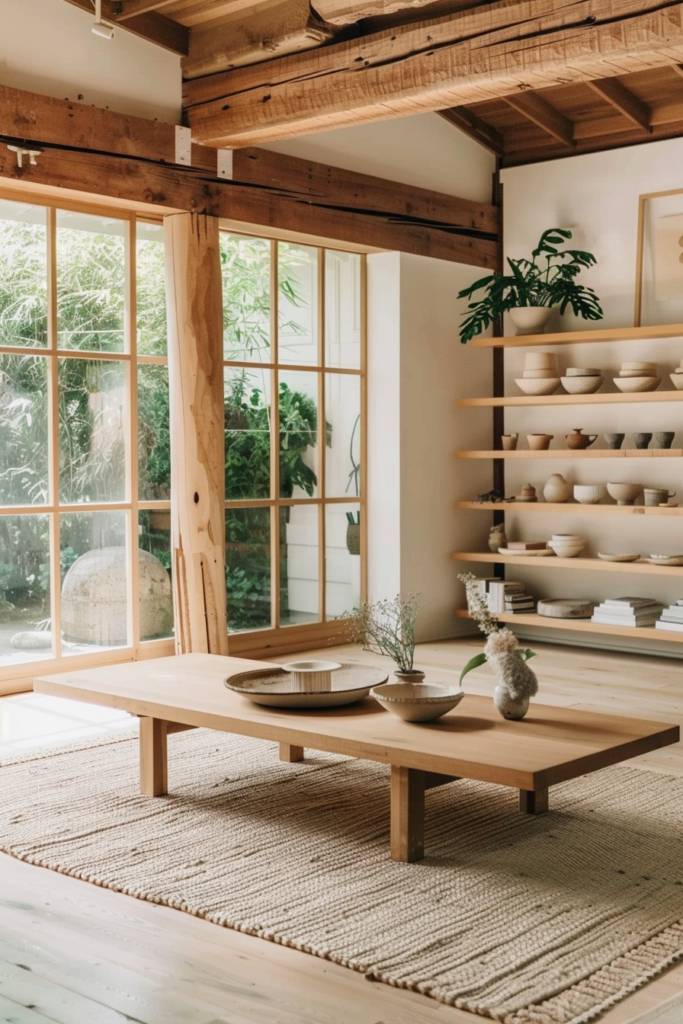
To achieve the serene atmosphere characteristic of Japandi style, you should focus on creating open spaces that promote a sense of calm and connection. Begin by removing unnecessary furniture and clutter; a minimalist approach allows your space to breathe. Think about how you can utilize natural light—large windows or glass doors can make your area feel more expansive and inviting.

Consider using low-profile furniture that doesn’t overpower the room, allowing for easy movement and flow. Incorporate soft textures and neutral tones to enhance the peaceful vibe while keeping the aesthetic cohesive.

Strategically placed plants can also add life to your open spaces, bringing in a touch of nature that aligns with the Japandi philosophy. Remember, the goal is to create a harmonious environment where each element has its purpose, contributing to an overall sense of tranquility and balance.

8. Implement Multi-Functional Spaces
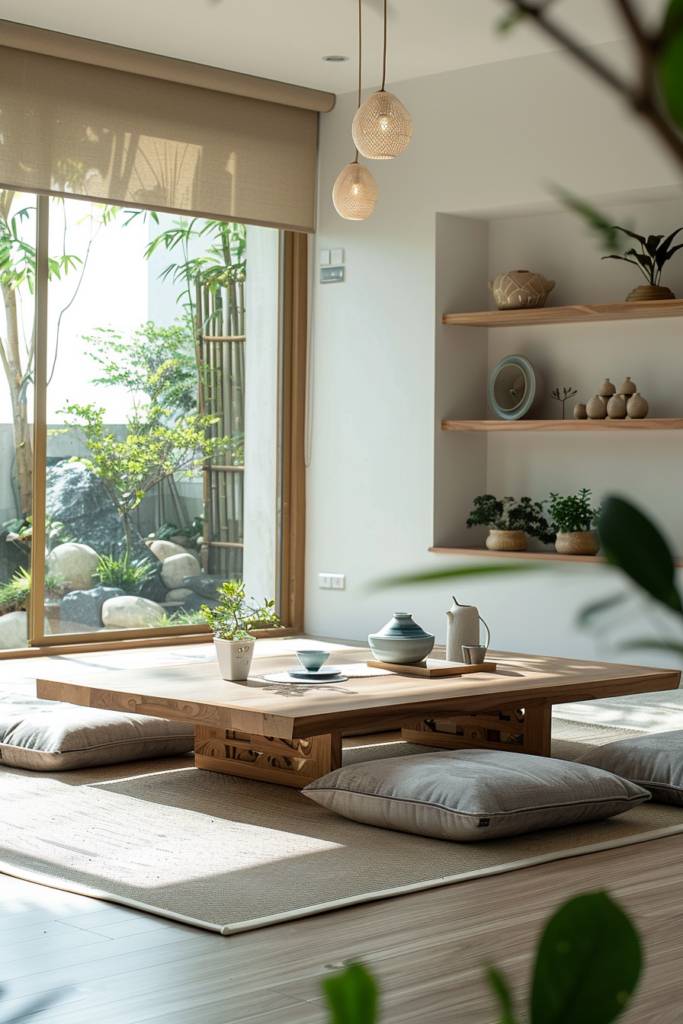
As you embrace the Japandi aesthetic, implementing multi-functional spaces becomes essential for maximizing both utility and serenity. Think of your living area as a canvas where every piece serves a purpose. Incorporate furniture that can adapt to your needs; a sleek coffee table can transform into a workspace with ease. Consider a daybed that doubles as a cozy reading nook and a guest bed.

Use natural materials and minimalist designs to maintain a clutter-free environment, allowing you to feel grounded. Zones can be defined through subtle changes in color or texture, creating a seamless flow while keeping everything functional. A small dining table can also serve as a home office, promoting productivity without sacrificing comfort. By blending practicality with aesthetic appeal, you’ll cultivate a harmonious space that encourages relaxation and creativity, perfectly embodying the Japandi spirit.

9. Focus on Textural Contrast
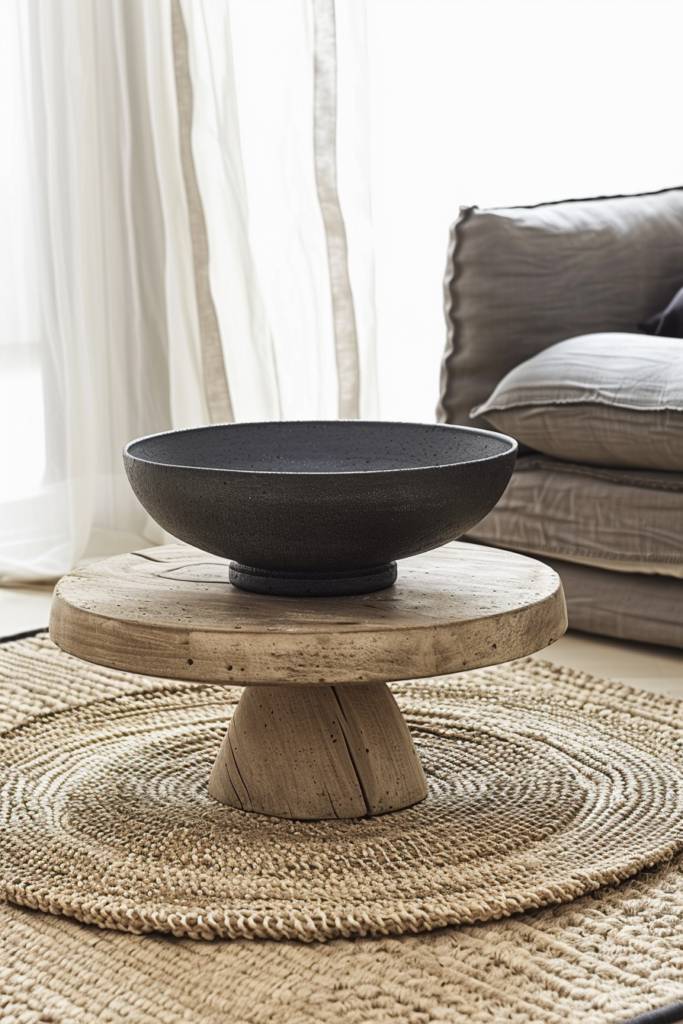
While embracing the Japandi style, focusing on textural contrast can elevate your space and create visual intrigue. Think about combining smooth, sleek surfaces with rustic, organic elements. You might pair a polished wooden table with soft linen tableware or a sleek bamboo chair alongside a chunky wool throw. This interplay not only enhances the aesthetic but also invites a tactile experience.

In your decor, consider layering different materials—ceramics, metals, and natural fibers. A ceramic vase can sit atop a coarse jute runner, creating a pleasing contrast that draws the eye. Don’t shy away from mixing glossy finishes with matte textures, as this contrast can add depth and interest.

Ultimately, it’s about balance. By thoughtfully integrating various textures, you’ll evoke a sense of harmony that embodies the essence of Japandi design. This approach guarantees your space feels both inviting and serene, inviting you to relax and unwind.

10. Highlight Natural Light
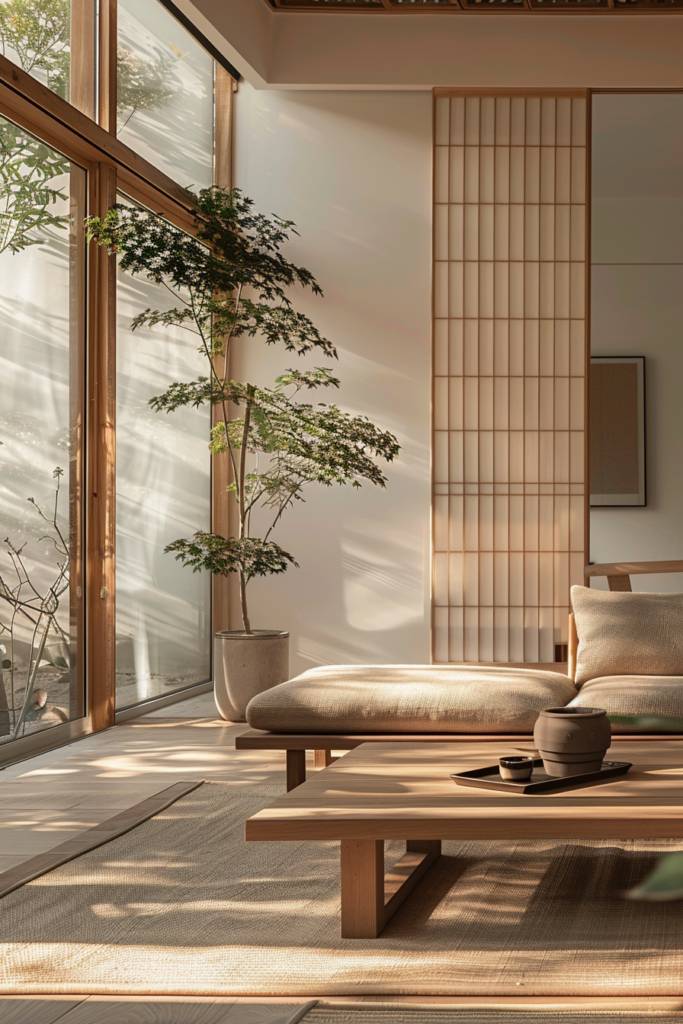
Natural light plays an essential role in Japandi interiors, enhancing the serene and minimalist aesthetic that defines this style. To maximize natural light, consider the layout of your space. Position furniture away from windows, allowing sunlight to pour in and illuminate the room. Use sheer curtains or blinds that can be easily opened to invite brightness without sacrificing privacy.

Opt for light, neutral colors on walls and furnishings to reflect light and create an airy feel. Incorporating mirrors can also amplify natural light, making your space feel larger and more inviting.

Additionally, you might want to select strategically placed indoor plants that thrive in natural light, adding a touch of nature while promoting tranquility. By embracing natural light, you’ll create a harmonious environment that embodies the Japandi philosophy, blending functionality with beauty and fostering a sense of calm in your home.

11. Select Handcrafted Accessories
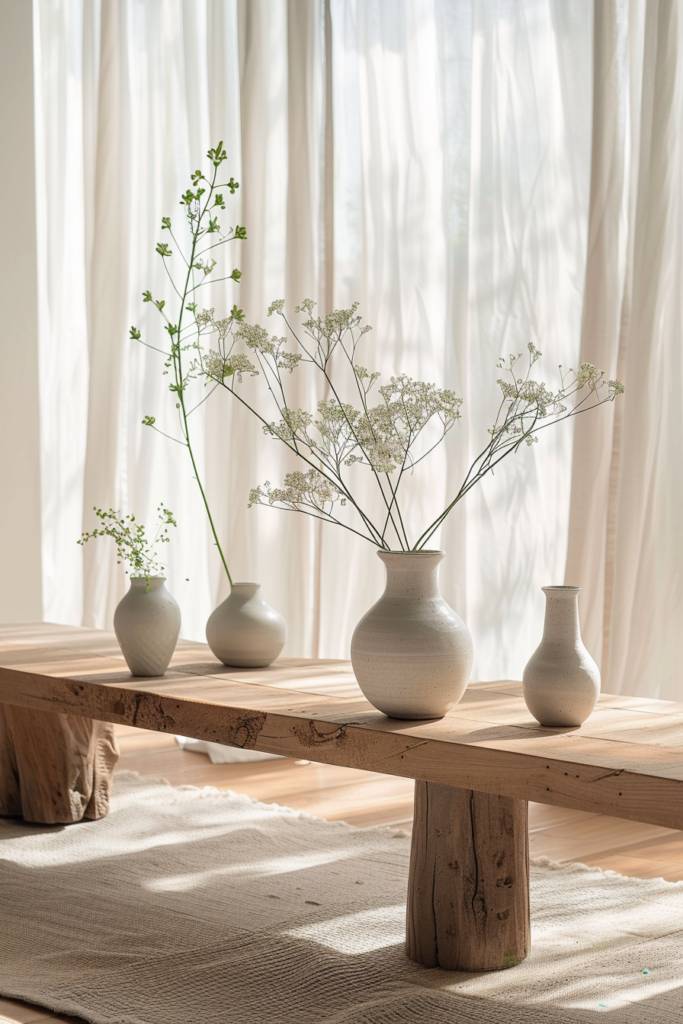
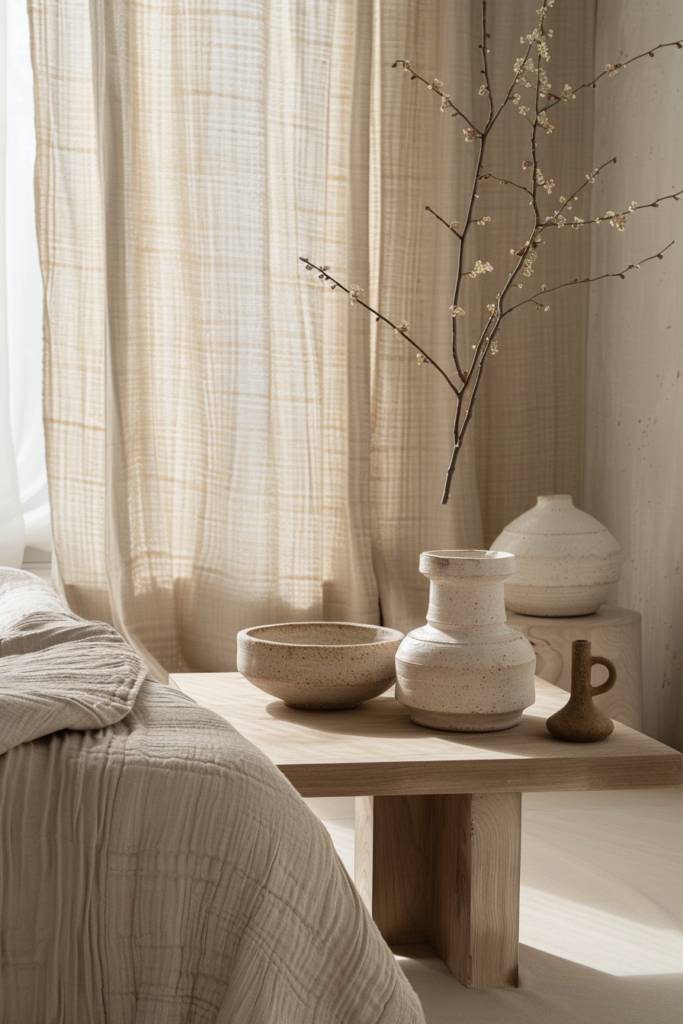
Incorporating handcrafted accessories can truly elevate your Japandi interior, infusing it with character and a sense of authenticity. Look for items that reflect Japanese minimalism and Scandinavian functionality, like handmade pottery or woven textiles. These pieces not only serve a purpose but also tell a story, showcasing the skill and artistry behind them.

Consider adding unique vases, deliberately crafted from natural materials, to display simple floral arrangements or even branches. A hand-carved wooden bowl can serve as both decor and a functional item for everyday use.

Don’t overlook textiles—soft, organic cotton or linen cushions can add warmth without overwhelming the space. When you choose accessories, think about their shapes and textures; smooth, rounded forms paired with rustic finishes create a harmonious balance. By selecting these handcrafted elements, you’ll create a serene environment that feels both inviting and thoughtfully curated.

12. Integrate Japanese Tatami Mats
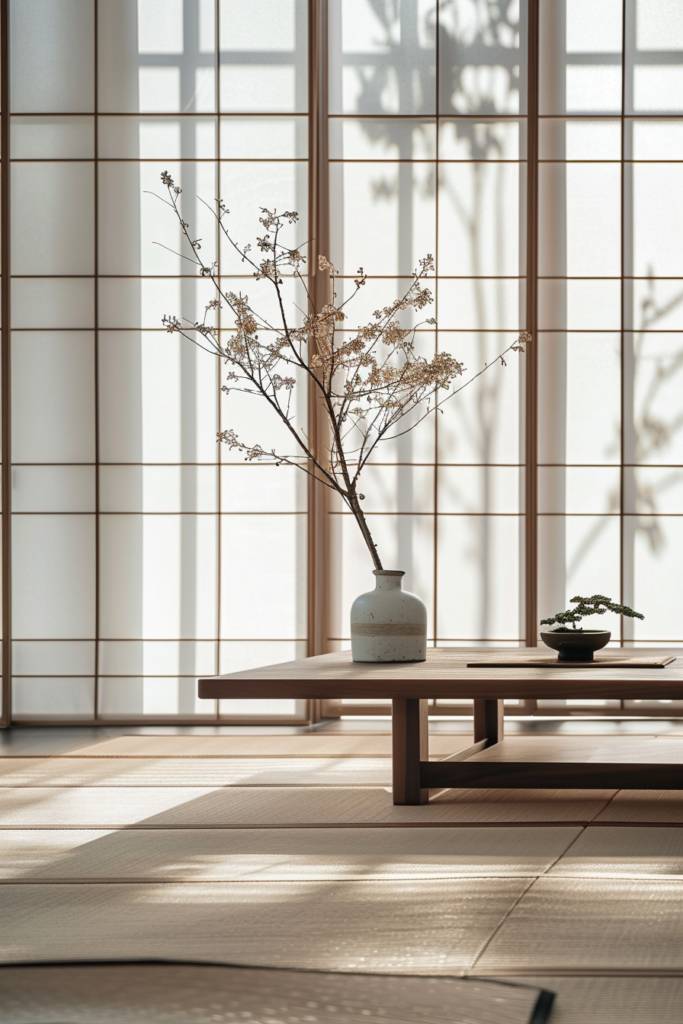
Japanese tatami mats are a beautiful way to add authenticity and warmth to your Japandi interior. These traditional mats, made from rice straw and covered with woven rush grass, bring a unique texture that instantly elevates the ambiance of a room. When you integrate tatami mats, you’re not just adding flooring; you’re introducing a sense of calm and a connection to nature.

Place them in your living spaces or bedrooms for a cozy, inviting feel. You might consider arranging low furniture, like a coffee table or cushions, to complement the mat’s height, creating a harmonious environment. Additionally, the earthy tones of tatami mats can balance the minimalist Scandinavian elements, fostering a serene atmosphere.

To maintain their longevity, remember to keep them dry and well-ventilated. With thoughtful placement and care, these mats can transform your space into a zen-like retreat you’ll love coming home to.

13. Use Scandinavian Textiles
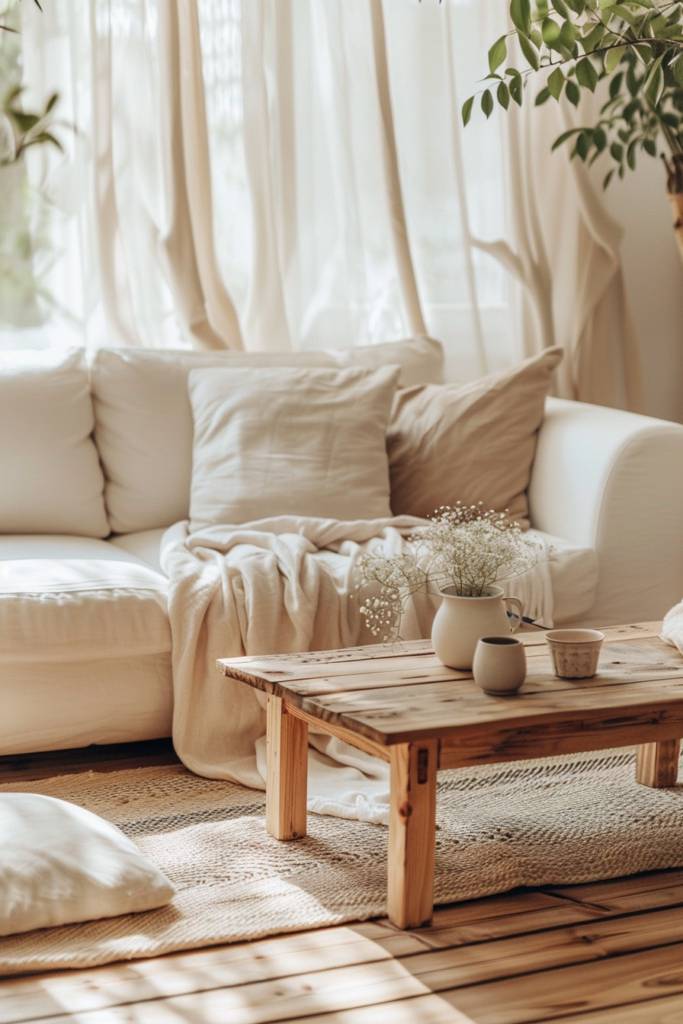
While you’re creating a Japandi interior, using Scandinavian textiles can add warmth and comfort to your space. These textiles, known for their minimalistic yet cozy designs, can seamlessly blend with the clean lines of Japanese aesthetics. Opt for soft wool blankets, airy linen curtains, or plush area rugs that invite relaxation and enhance the overall ambiance.

Consider incorporating muted colors or subtle patterns that echo nature, reflecting the serene beauty of both Scandinavian and Japanese design philosophies. A chunky knit throw or a lightweight cotton pillow can provide both comfort and visual interest, making your space feel inviting.

Using textiles with natural fibers not only elevates the tactile experience but also promotes sustainability, a core principle in both styles. By thoughtfully selecting these elements, you’ll create a harmonious balance that encourages tranquility and mindfulness, essential components of a true Japandi interior.

14. Incorporate Wood Elements
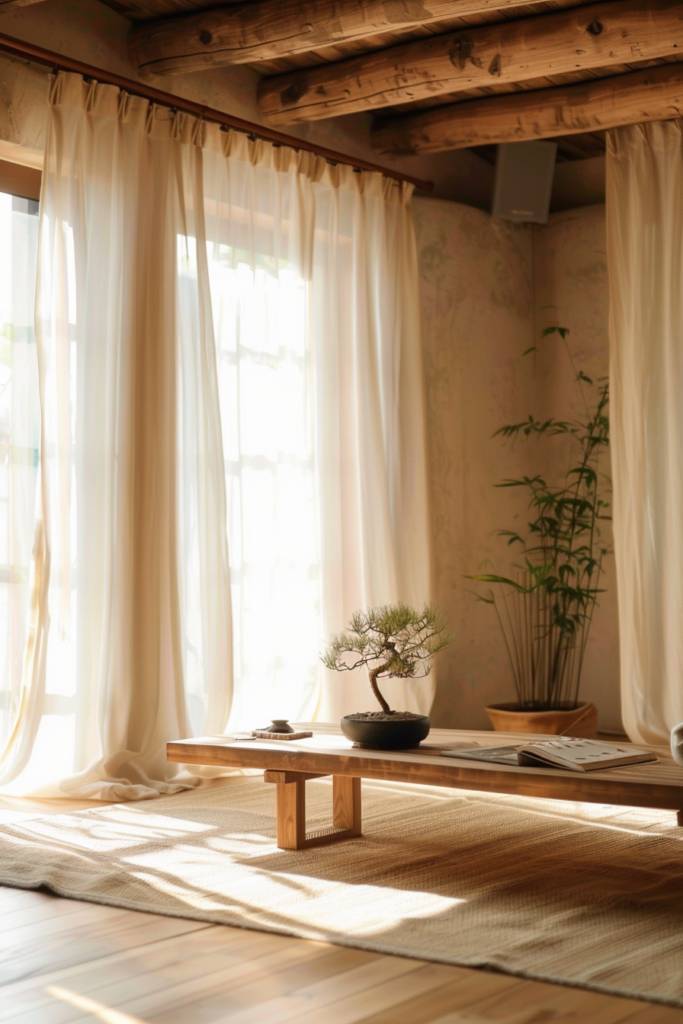
To create a truly inviting Japandi interior, you’ll want to embrace the warmth and natural beauty of wood elements throughout your space. Start by selecting furniture pieces crafted from rich, warm woods like oak or walnut. Their organic textures can bring a sense of calm and balance to your environment. Think about incorporating low-profile wooden tables or minimalist benches that highlight the craftsmanship.

You can also accentuate your design with wooden shelving or decorative beams, which can add structural interest while maintaining simplicity. Consider wooden accessories like bowls or vases to infuse your space with natural charm.

Don’t forget about the flooring; choosing wooden floors can create a seamless flow that ties everything together. By thoughtfully integrating these wooden elements, you’ll foster a serene atmosphere that embodies the essence of Japandi style, merging functionality with organic beauty.

15. Choose Simple Artwork
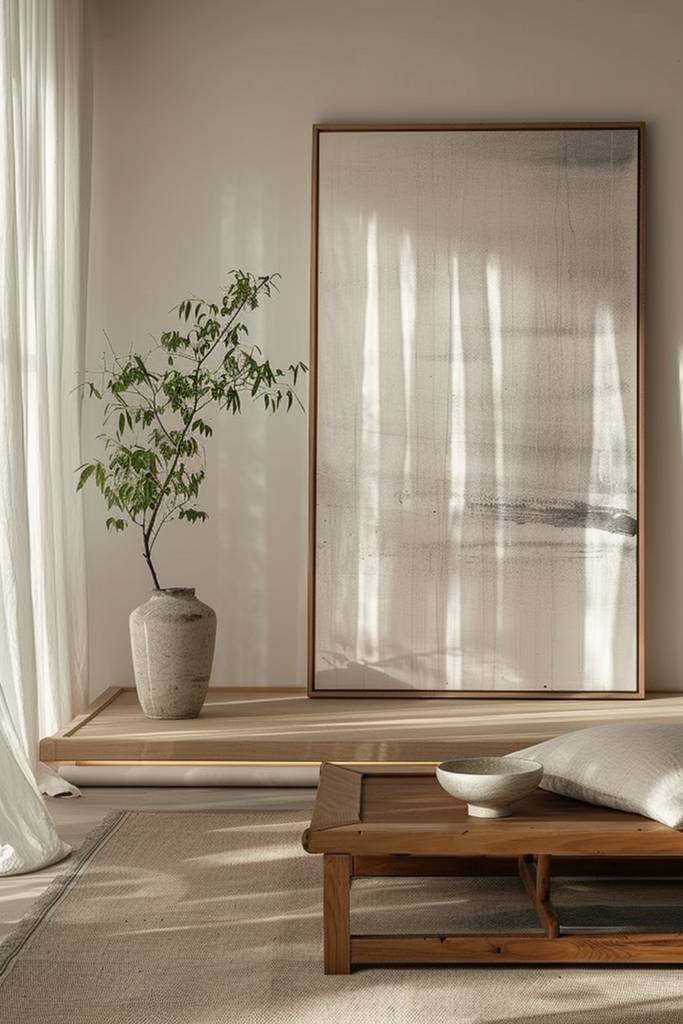
Choosing simple artwork is essential for enhancing the tranquil vibe of a Japandi interior, as it allows the natural beauty of the space to shine without overwhelming it. Opt for pieces that embody minimalism, focusing on calming colors and understated forms. Think about delicate line drawings, abstract shapes, or serene landscapes that evoke a sense of peace.

When selecting artwork, consider natural materials like wood or canvas, which blend harmoniously with the Japandi aesthetic. Choose a few key pieces rather than cluttering walls with numerous items; this creates a focal point that draws the eye without causing distraction.

16. Design With Balance in Mind
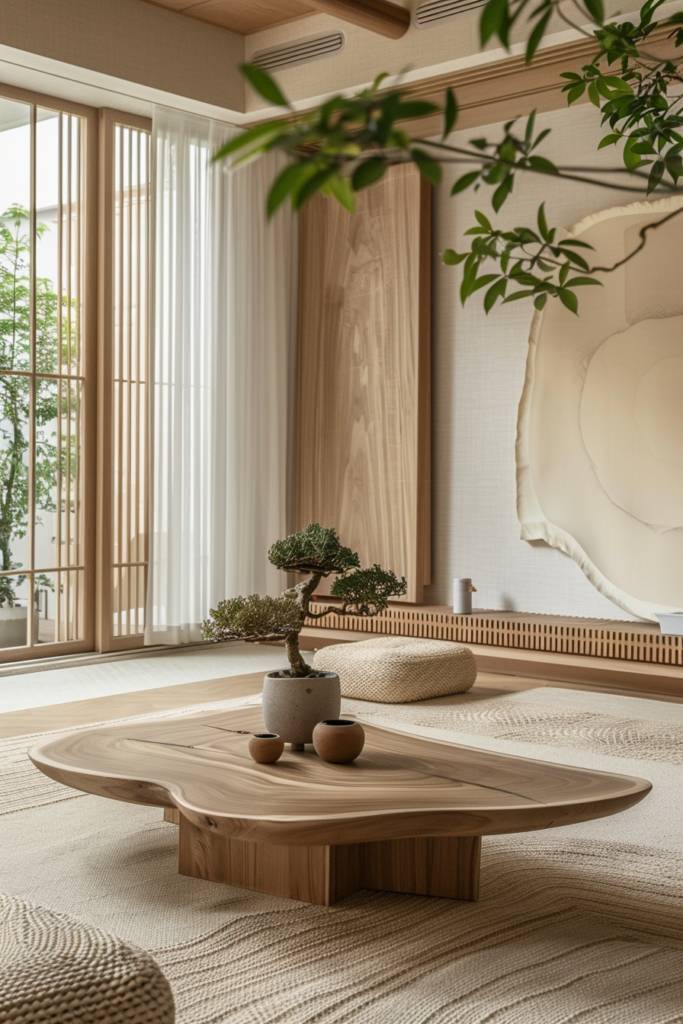
Achieving balance in a Japandi interior is essential, as it creates a harmonious atmosphere that reflects both Japanese and Scandinavian design principles. Start by considering scale and proportion; choose furniture that complements your space without overwhelming it. Incorporate natural materials, like wood and bamboo, which add warmth and texture while maintaining simplicity.

Next, think about color. Opt for a neutral palette, punctuated with earthy tones to evoke tranquility. Mixing light and dark shades can create visual interest while still feeling cohesive.

Don’t forget to focus on functionality. Each piece should serve a purpose, ensuring your space remains uncluttered and serene. Finally, arrange items thoughtfully, allowing negative space to breathe. This balance of positive and negative elements fosters a calming environment, perfect for relaxation and reflection. By embracing these principles, you’ll cultivate a Japandi interior that’s both beautiful and balanced.

17. Use Soft Lighting
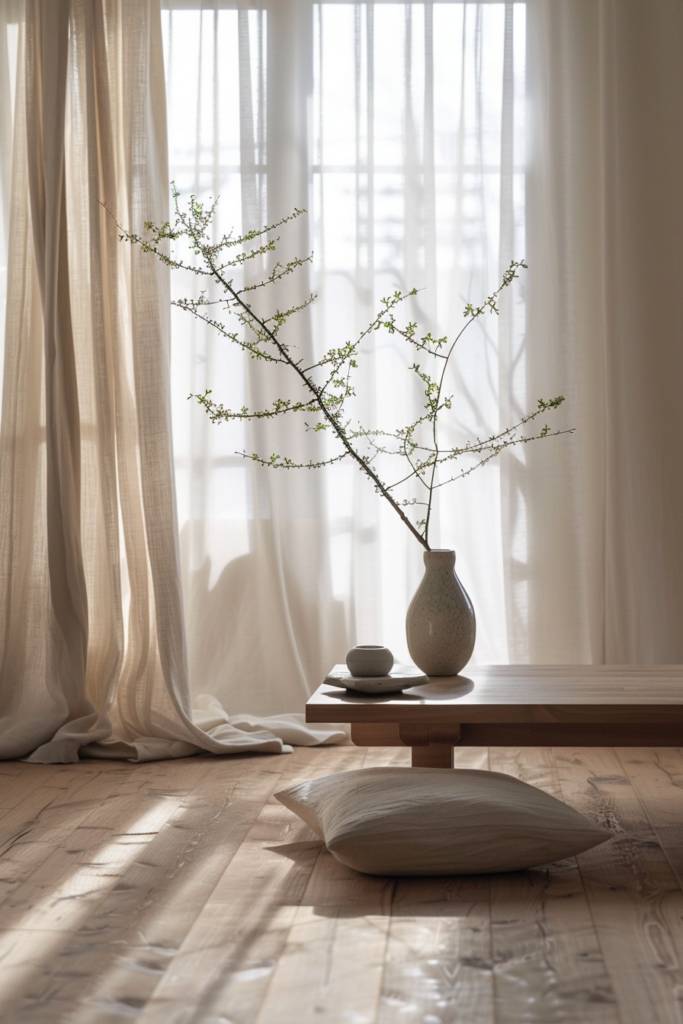
Soft lighting plays an essential role in creating the serene ambiance characteristic of Japandi interiors. It softens the harshness of overhead fixtures and adds warmth to your space, inviting relaxation. Consider using floor lamps with dimmers, or table lamps featuring soft, natural materials like wood or ceramic. These elements not only provide gentle illumination but also complement the minimalist aesthetic.

Incorporating Japanese paper lanterns or Scandinavian-style pendant lights can further enhance the tranquil vibe. The goal is to create a layered lighting scheme that offers both functionality and a calming atmosphere. Avoid overly bright or stark lighting, as this can disrupt the peaceful feel you’re aiming for. Instead, opt for warm, diffuse sources that mimic natural light. By thoughtfully selecting your lighting, you’ll not only elevate the design but also cultivate a soothing environment, perfect for unwinding after a long day.

18. Include Zen Gardens
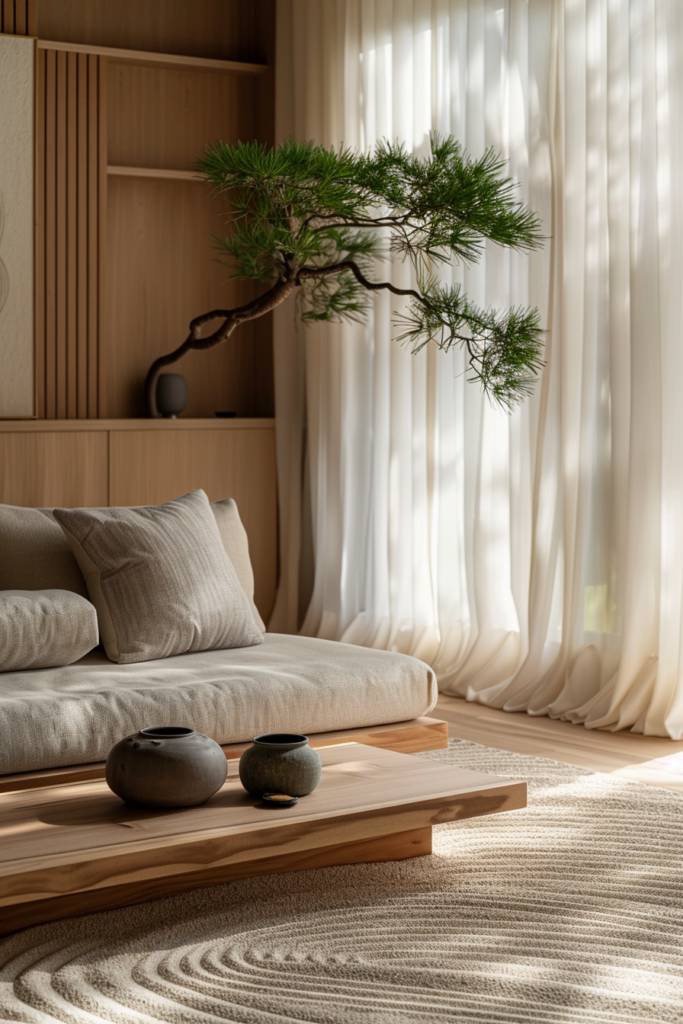
While you might think of Zen gardens as purely outdoor elements, incorporating them indoors can greatly enhance the tranquility of your Japandi space. These serene landscapes, characterized by gravel, stone, and minimalistic plants, can create a calming focal point in any room.

You could start with a small tabletop Zen garden, where you can rake patterns into the sand, promoting mindfulness and relaxation. For larger spaces, consider a corner dedicated to a miniature Zen garden, featuring smooth stones and perhaps a few carefully placed succulents.

The beauty of these gardens lies in their simplicity, echoing the Japandi philosophy of minimalism. By including a Zen garden, you’re not just adding décor; you’re inviting a sense of peace and balance into your home. This element encourages you to slow down, breathe, and immerse yourself in the tranquil ambiance that defines Japandi living.

19. Add Statement Lighting Fixtures
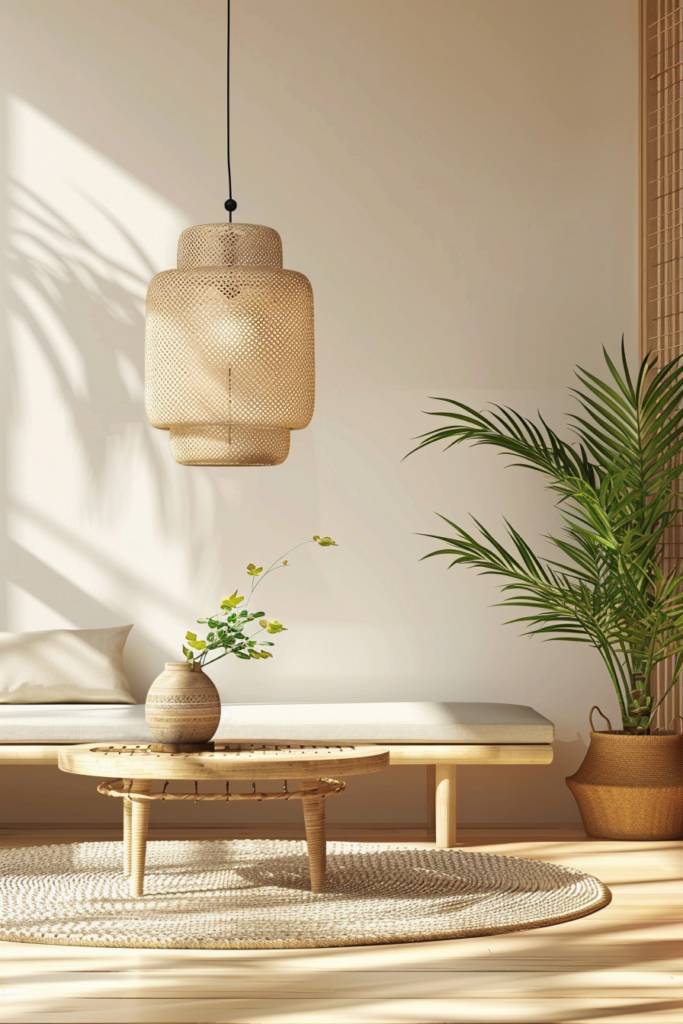
Incorporating a Zen garden can set a serene backdrop for your space, but to truly elevate your Japandi design, consider adding statement lighting fixtures. These elements not only illuminate your room but also serve as artistic focal points that harmonize with your overall aesthetic. Look for fixtures that showcase a blend of natural materials and minimalist forms, like wooden pendant lights or sleek metal sconces.

Consider placing a large, sculptural lamp in a cozy reading nook or a series of hanging lights above your dining area to create an inviting atmosphere. The key is to maintain balance; choose lighting that complements the simplicity of Japandi style without overwhelming the space. Soft, warm light enhances the calming vibe, making your home feel cozy and welcoming. By thoughtfully integrating these fixtures, you’ll enhance the tranquility of your environment while making a striking design statement.

20. Utilize Built-In Storage Solutions
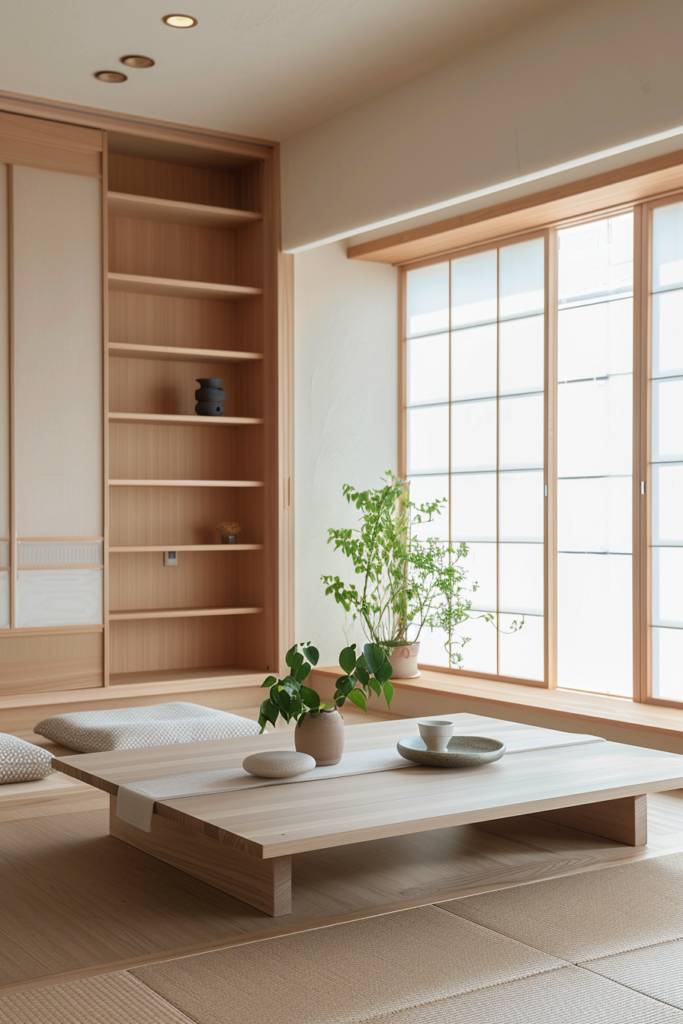
Built-in storage solutions are a game changer for achieving the clean, uncluttered look that defines Japandi style. By incorporating furniture that doubles as storage—like sleek cabinets or minimalist shelves—you can maintain an organized space without sacrificing aesthetics. Think about how built-in solutions can conceal clutter while still showcasing your favorite decor pieces.

You might consider under-window seating with hidden compartments or a wall-mounted unit that seamlessly integrates with your existing design. This not only maximizes space but also enhances the serenity of your home. Opt for natural materials, like wood or bamboo, and stick to neutral tones to keep the tranquil vibe.

21. Create Cozy Nooks
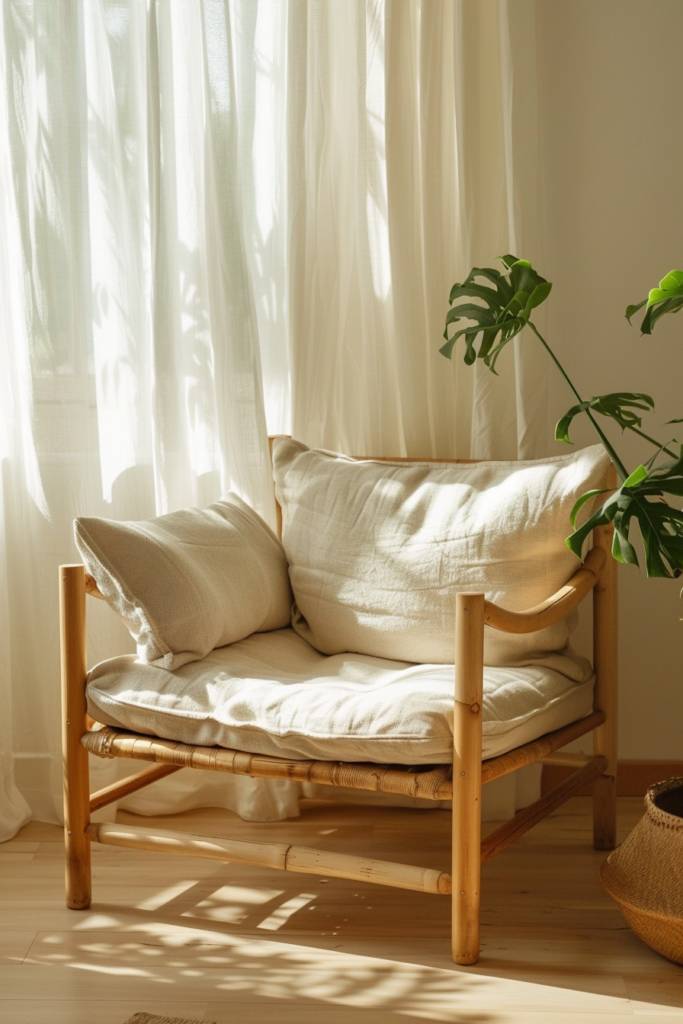
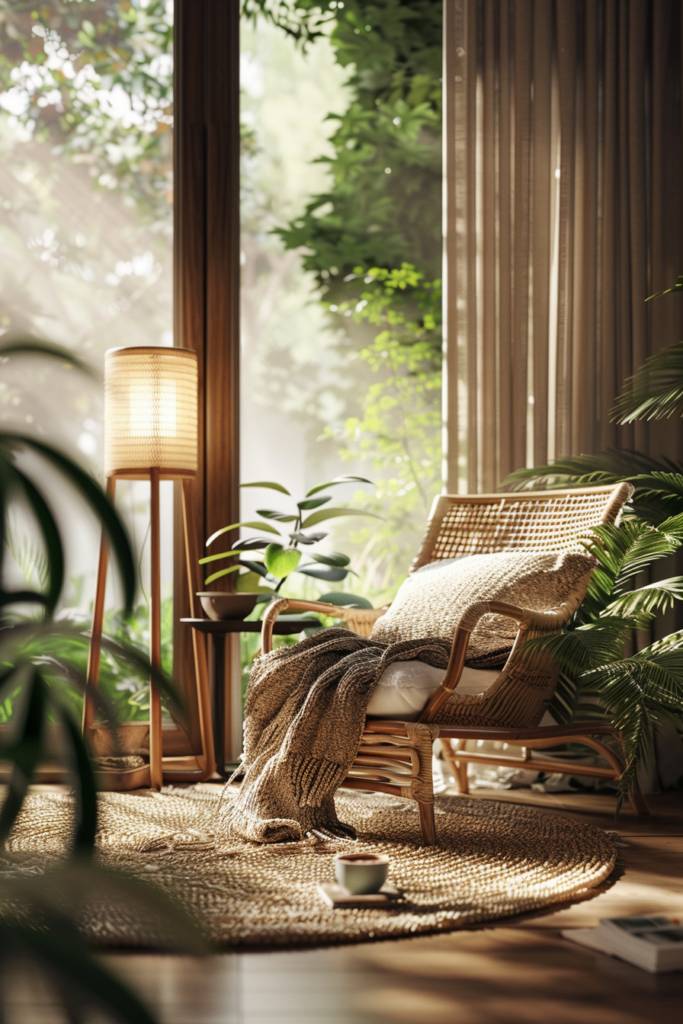
After you’ve optimized your storage, it’s time to focus on creating inviting spaces where you can unwind and recharge. Cozy nooks are essential in Japandi design, blending Scandinavian comfort with Japanese minimalism. Start by choosing a quiet corner, perhaps near a window or beneath a staircase. Layer soft textiles like a plush throw and cushions in natural fabrics, inviting you to sink in and relax.

Incorporate a small side table for your favorite book or a hot cup of tea. Surround yourself with greenery—think potted plants or a simple bonsai—to add a touch of nature. Soft, ambient lighting, such as a stylish floor lamp or candles, enhances the serene atmosphere.

22. Opt for Earthy Tones
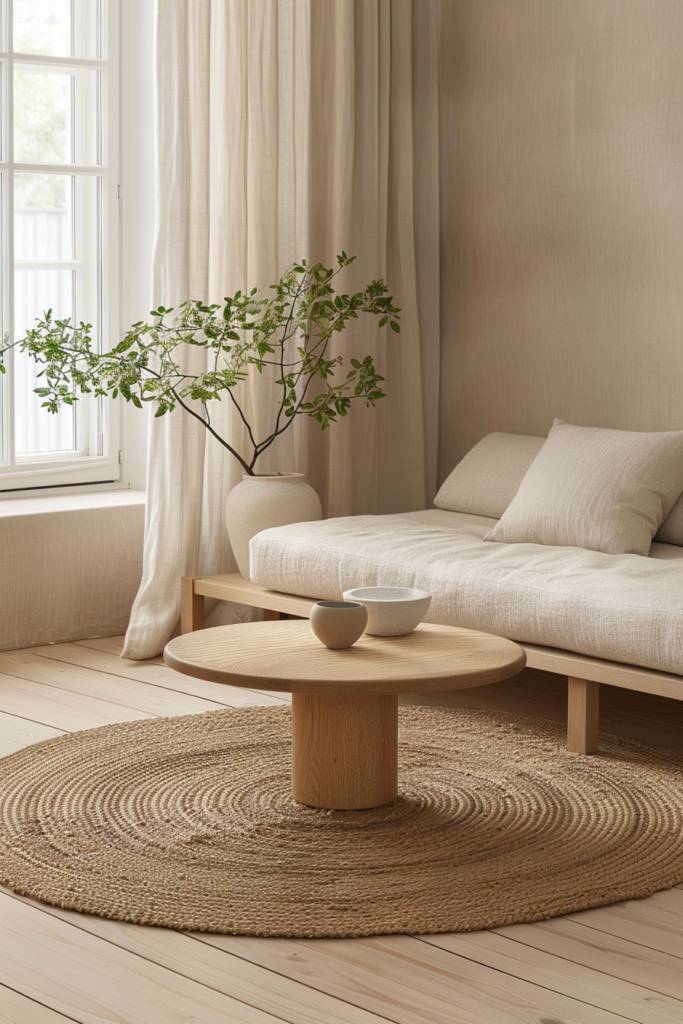
Embracing earthy tones can transform your space into a calming retreat, as these muted colors evoke a sense of nature and tranquility. Think soft browns, warm taupes, and gentle greens that can seamlessly blend with both Japanese and Scandinavian aesthetics. These shades not only create a soothing atmosphere but also foster a connection to the natural world, inviting a sense of peace into your home.

When you choose earthy tones for your walls or furniture, you’re establishing a foundation that promotes balance. Pair these colors with minimalist decor to emphasize simplicity and functionality typical of Japandi style. You can also enhance the look with natural materials like wood and stone, which resonate beautifully with these hues.

Incorporating these tones into your space can help you feel more grounded, making your home a sanctuary where you can unwind and recharge. So, don’t hesitate to explore the calming power of earthy tones!

23. Incorporate Warmth With Rugs
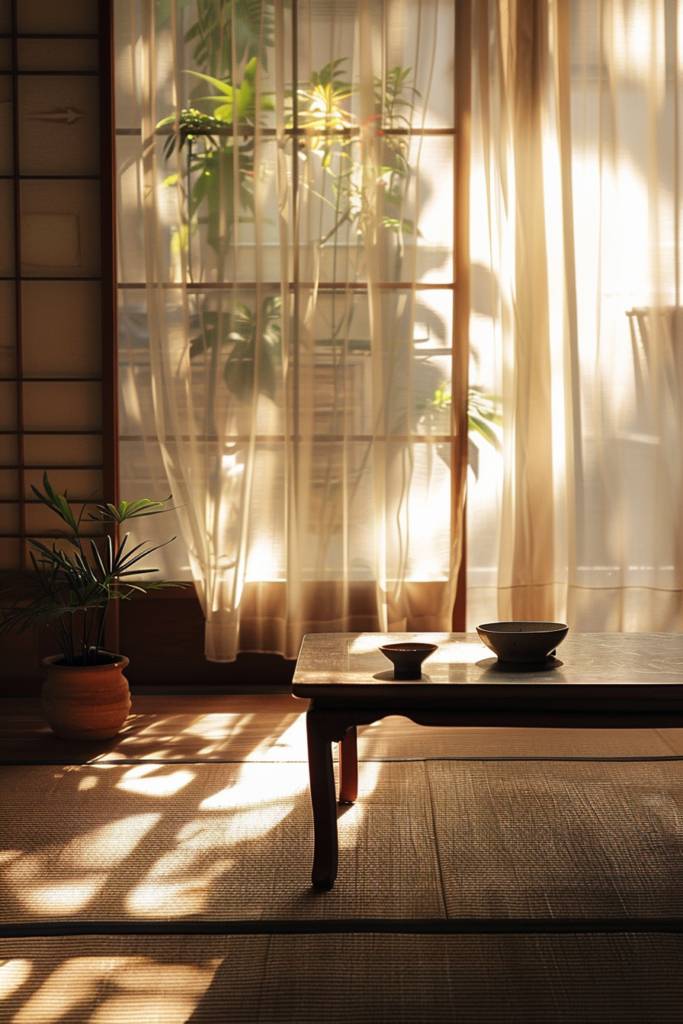
To enhance the cozy and inviting atmosphere created by earthy tones, incorporating warm rugs can add an extra layer of comfort to your Japandi-inspired space. Choose rugs in soft, natural materials like wool or cotton, which not only feel good underfoot but also align with the Japandi ethos of simplicity and functionality. Opt for muted colors like warm beige, terracotta, or soft greys that harmonize with your existing palette.

Layering rugs can also create depth; consider placing a larger, neutral rug underneath a smaller, patterned one for visual interest. Additionally, think about the placement—positioning rugs in key areas like under your coffee table or in reading nooks can define spaces and invite relaxation. Remember, the right rug can not only tie your room together but also soften hard surfaces, making your home feel more welcoming and warm.

24. Feature Minimalist Shelving
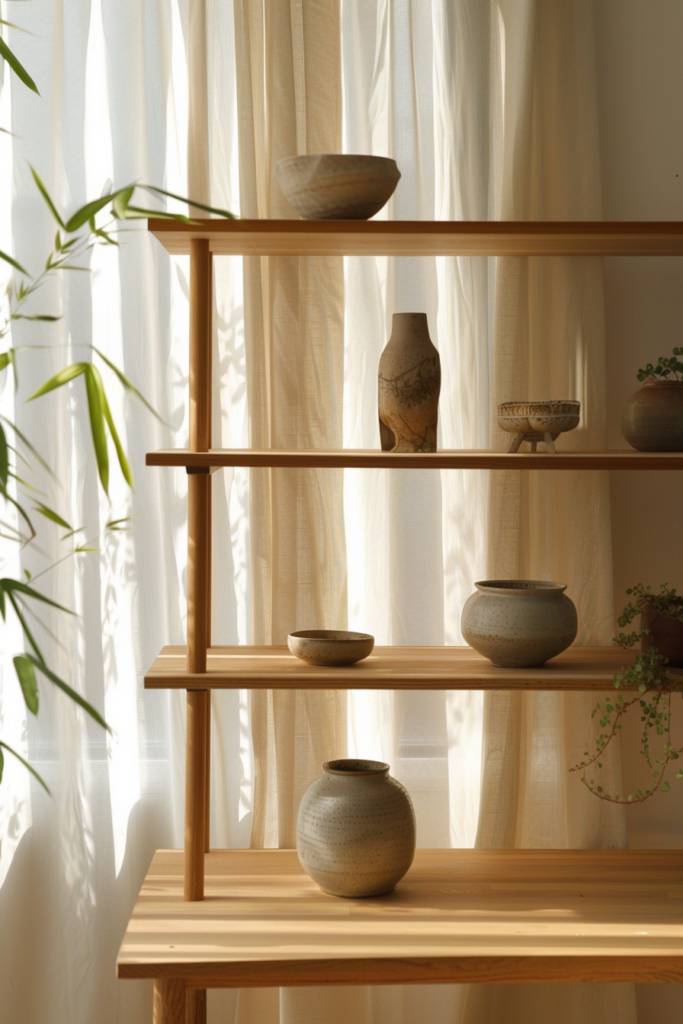
While creating a Japandi-inspired space, featuring minimalist shelving can greatly enhance both functionality and aesthetic appeal. These sleek, unobtrusive shelves not only provide storage but also serve as a canvas for showcasing carefully selected decor. Opt for natural materials like wood or bamboo, which harmonize beautifully with the Japandi ethos of simplicity and warmth.

When arranging your shelves, consider a curated approach. Limit the number of items to maintain a clean look, allowing each piece to breathe. Use neutral colors and organic shapes to create a calming visual flow. Incorporating plants can also add life and a touch of nature, reinforcing that serene atmosphere.

25. Blend Indoor and Outdoor Spaces
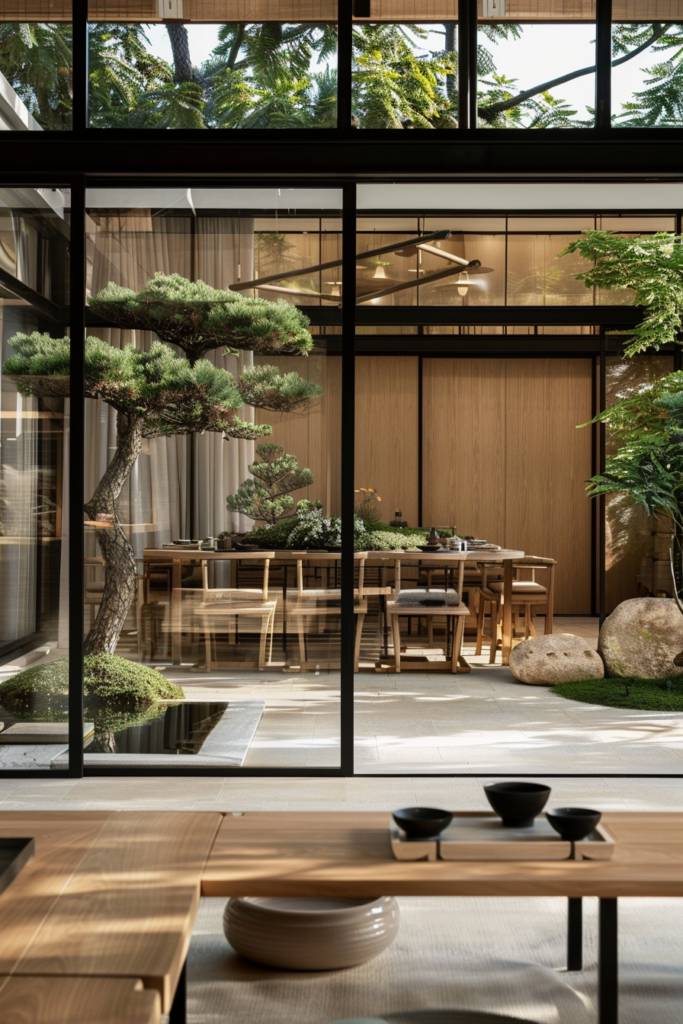
How can you create a seamless shift between indoor and outdoor spaces in your Japandi-inspired home? Start by incorporating large glass doors or expansive windows that invite natural light and views of your outdoor oasis. You’ll want to select materials that harmonize both environments, like a wooden deck that mirrors indoor flooring.

Next, use a neutral color palette to unify the spaces, allowing the tranquility of nature to flow indoors. Consider adding plants or indoor gardens that echo your outdoor landscape, enhancing a sense of continuity.

Lastly, create cozy spots with minimalist outdoor furniture that complements your interior. This setup encourages relaxation and connection with nature, making your home feel more expansive and inviting. By thoughtfully blending these spaces, you’ll cultivate a serene atmosphere that embodies the essence of Japandi design, fostering harmony and balance in your everyday life.

Conclusion

By embracing these 25 Japandi interior ideas, you can effortlessly create a serene space that radiates balance and tranquility. With neutral palettes, natural materials, and minimalist furniture, every corner of your home can invite calmness. Don’t forget the warmth of indoor plants and earthy tones to enhance the atmosphere. By blending indoor and outdoor spaces, you’ll foster a connection with nature, making your home a true sanctuary. Start your journey to a zen-like retreat today!
Filed Under: Uncategorized Tagged With: Japandi design, tranquil space, Zen interior

25 Japandi Bedroom Ideas With Mindful Design

April 12, 2025 By Mark Benett

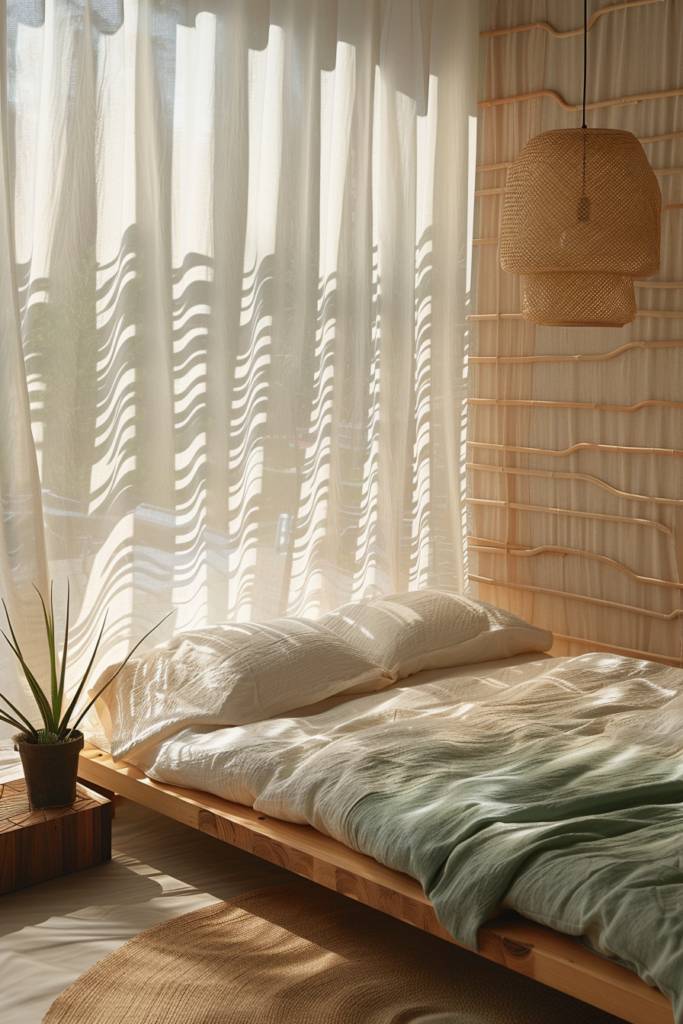
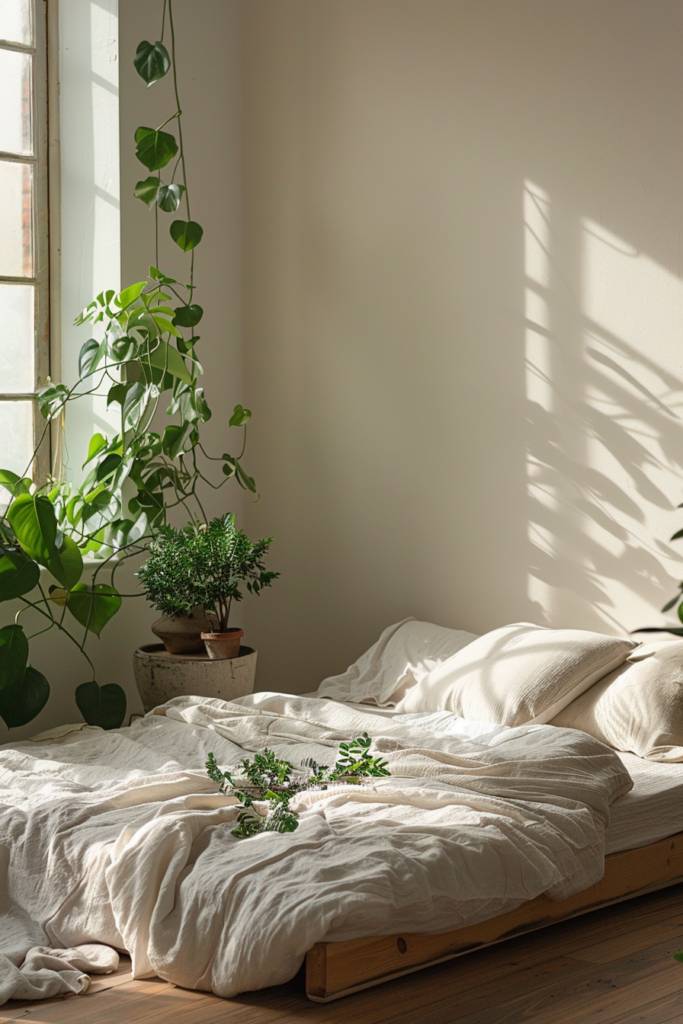
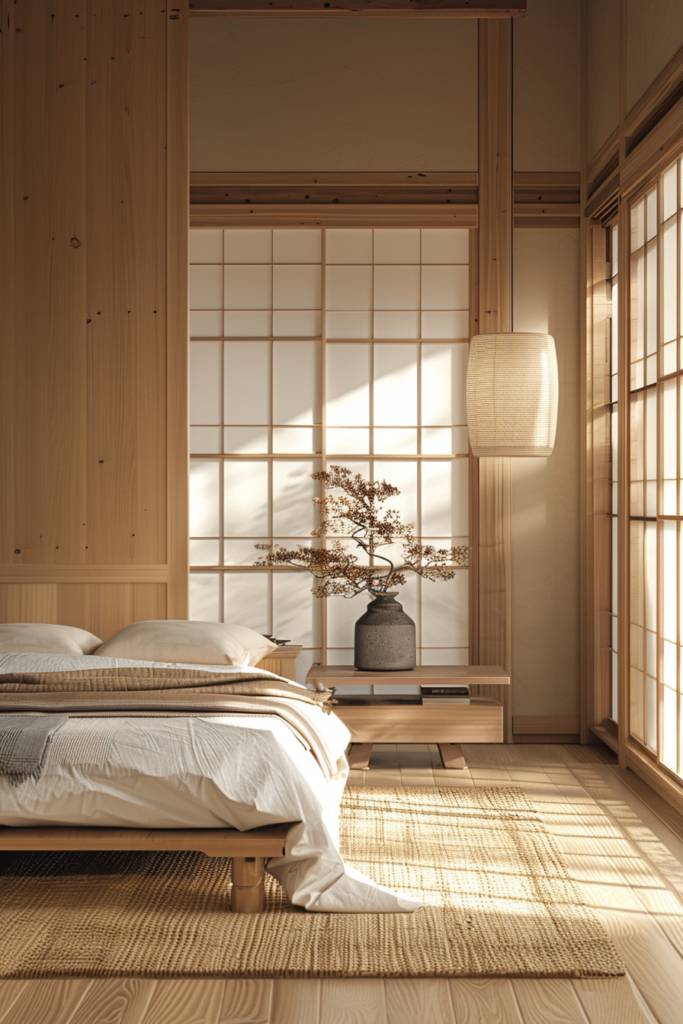
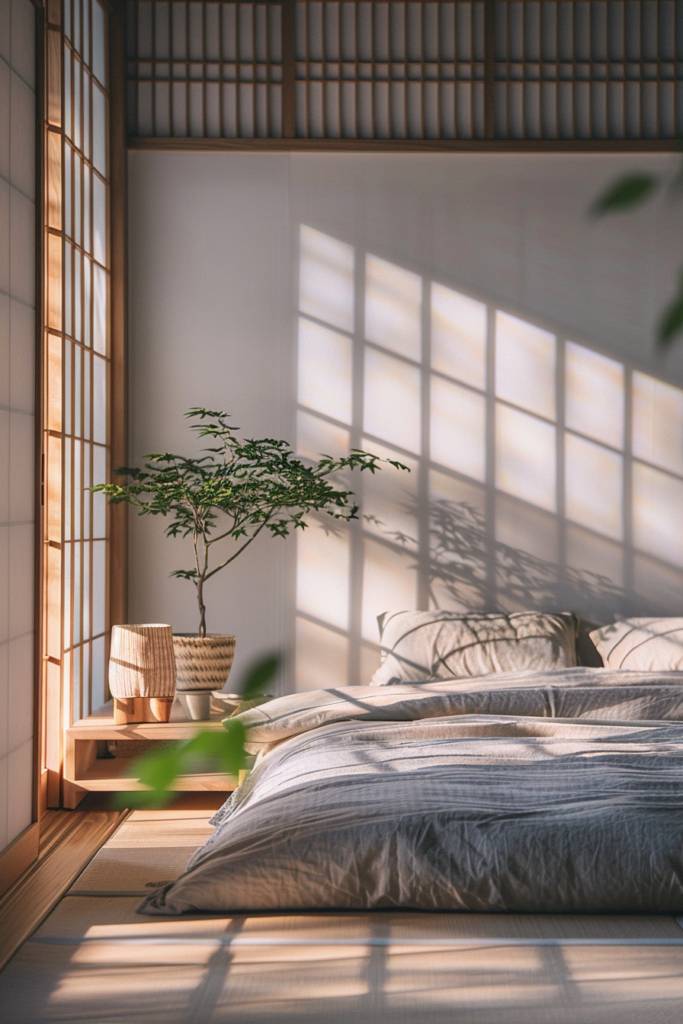
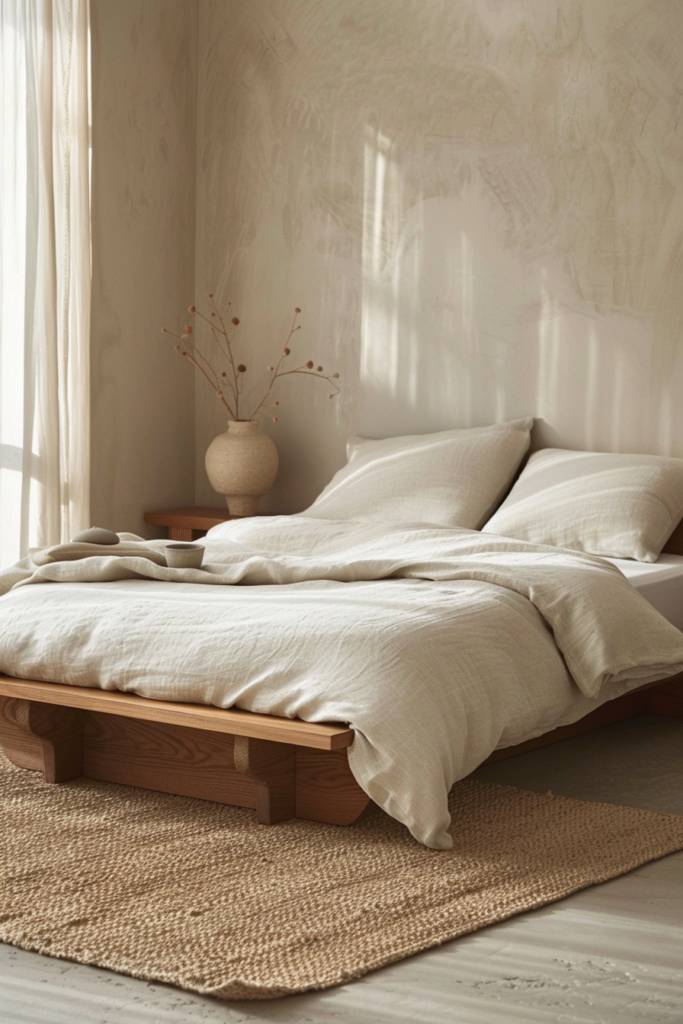
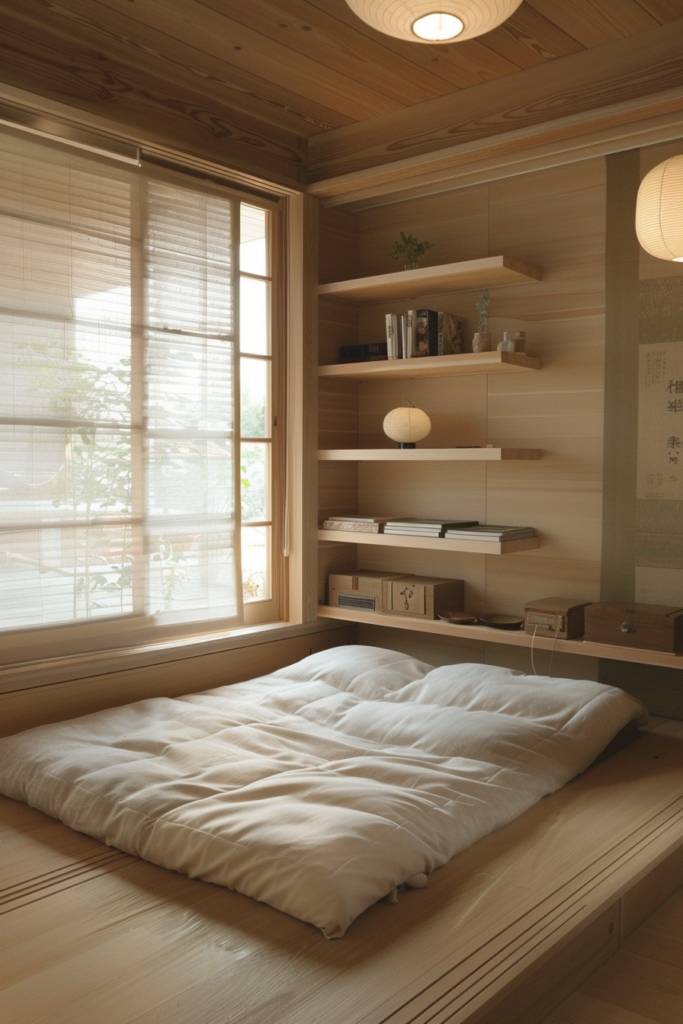
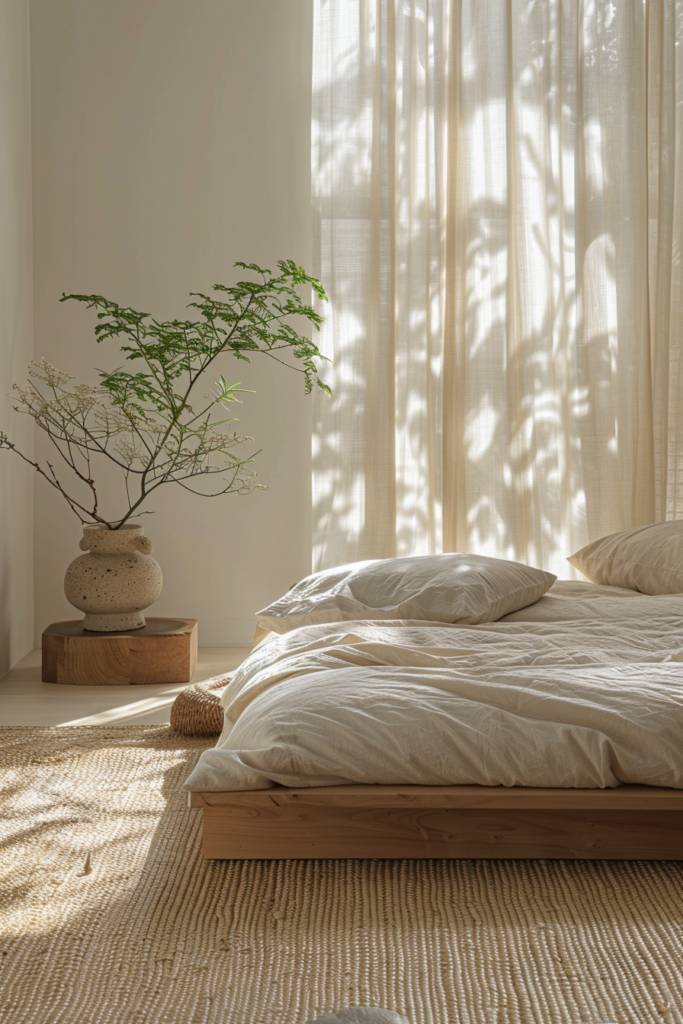
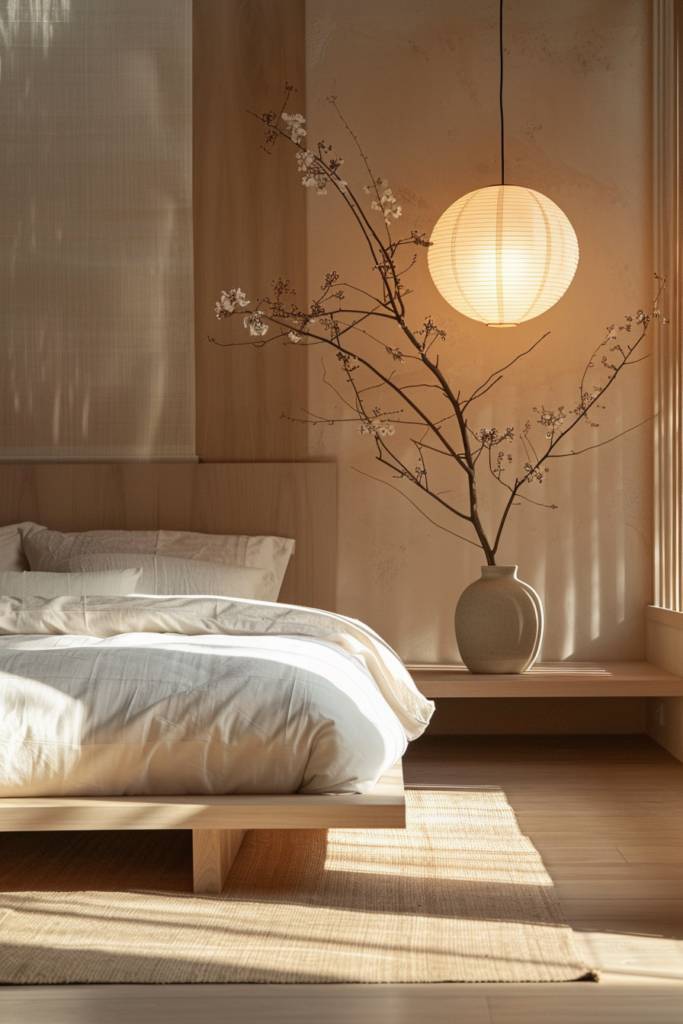
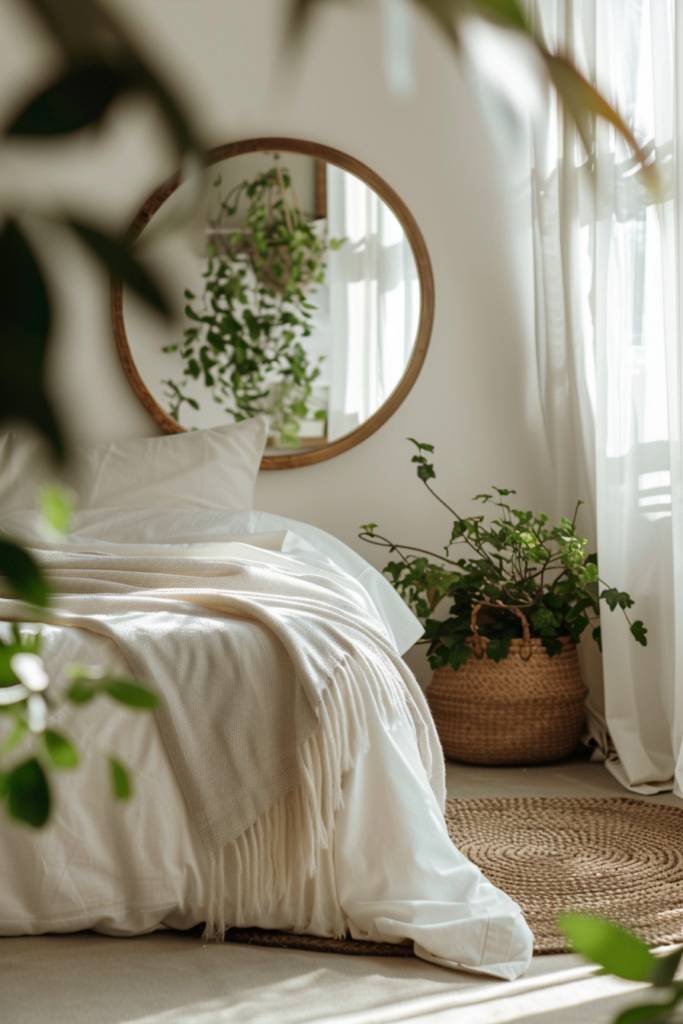
Transform your bedroom into a serene Japandi sanctuary with minimalist bedding in soothing neutrals and natural wood accents that connect you to nature. Embrace earthy palettes to foster calmness and add low-maintenance plants for a touch of life. Choose functional furniture with built-in storage that maximizes space while maintaining style. Incorporate soft lighting and mirrors to enhance ambiance and reflect tranquility. Explore these ideas further to discover how to create your perfect mindful retreat.

1.Minimalist Bedding for a Serene Sleep Environment

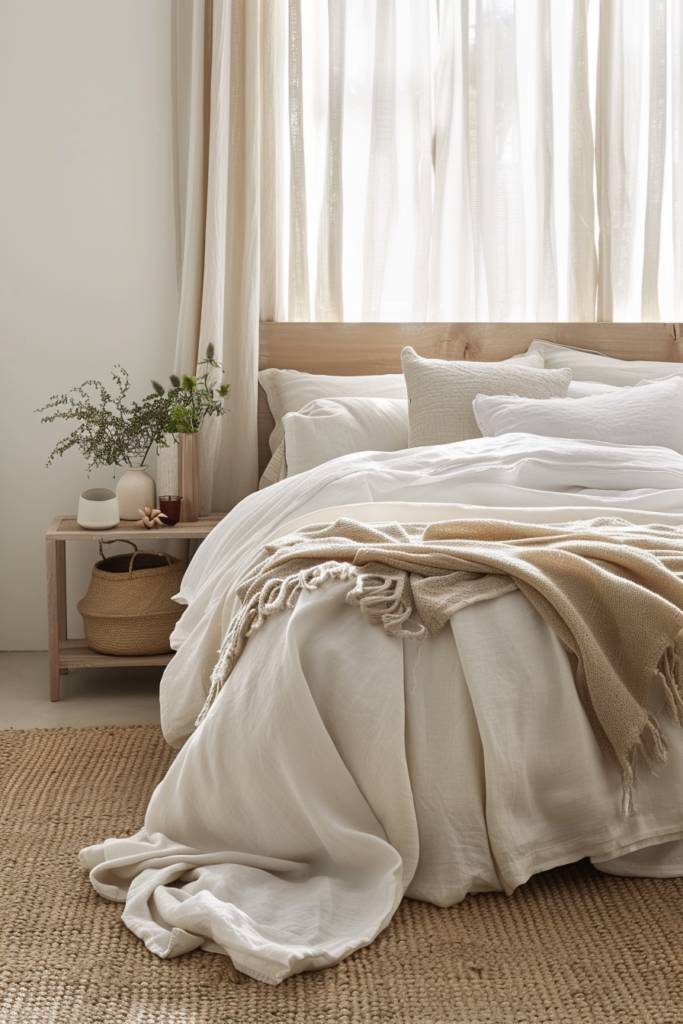
When you embrace a Japandi aesthetic, minimalist bedding can transform your bedroom into a serene sanctuary. Imagine crisp, neutral-colored sheets softly hugging your mattress, creating a calming backdrop that invites relaxation. Opt for natural fabrics like cotton or linen, which not only breathe well but also add a touch of organic elegance.

Layer your bedding with a lightweight duvet or a simple quilt that features subtle textures or patterns, enhancing the soothing atmosphere without overwhelming the space. Avoid clutter by choosing a limited color palette, focusing on whites, grays, and soft earth tones that reflect tranquility.

Incorporating a few decorative pillows in varying sizes can add comfort while maintaining that minimalist vibe. Remember, the goal is to create a restful environment where you can unwind and recharge. With thoughtfully selected bedding, you’ll find your bedroom becomes a peaceful retreat, encouraging a restful night’s sleep.

2.Natural Wood Accents in Japandi Design

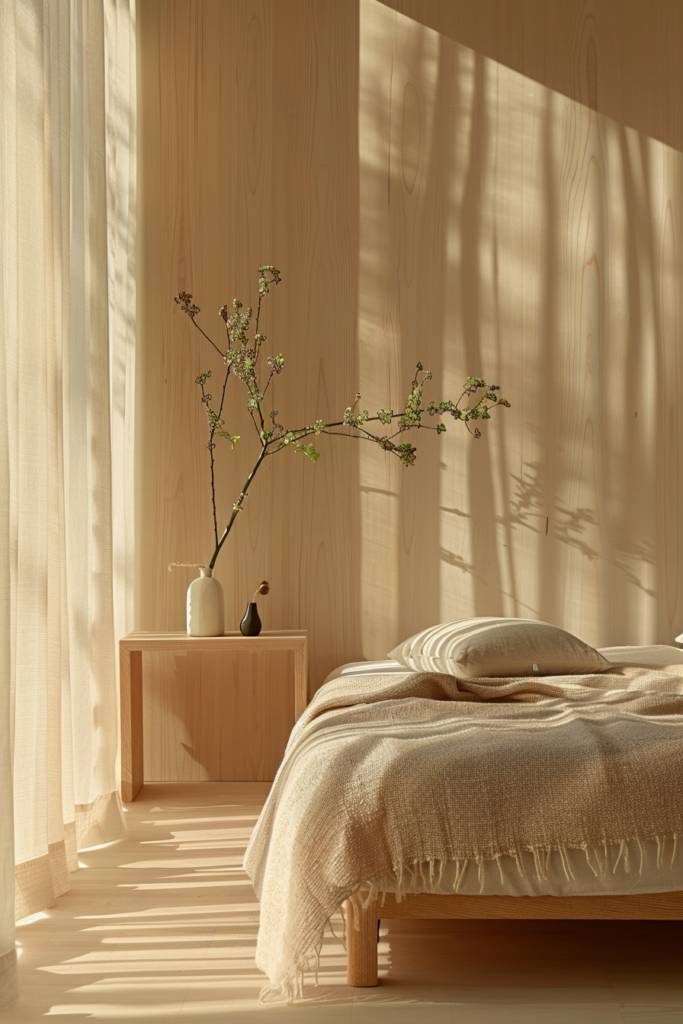
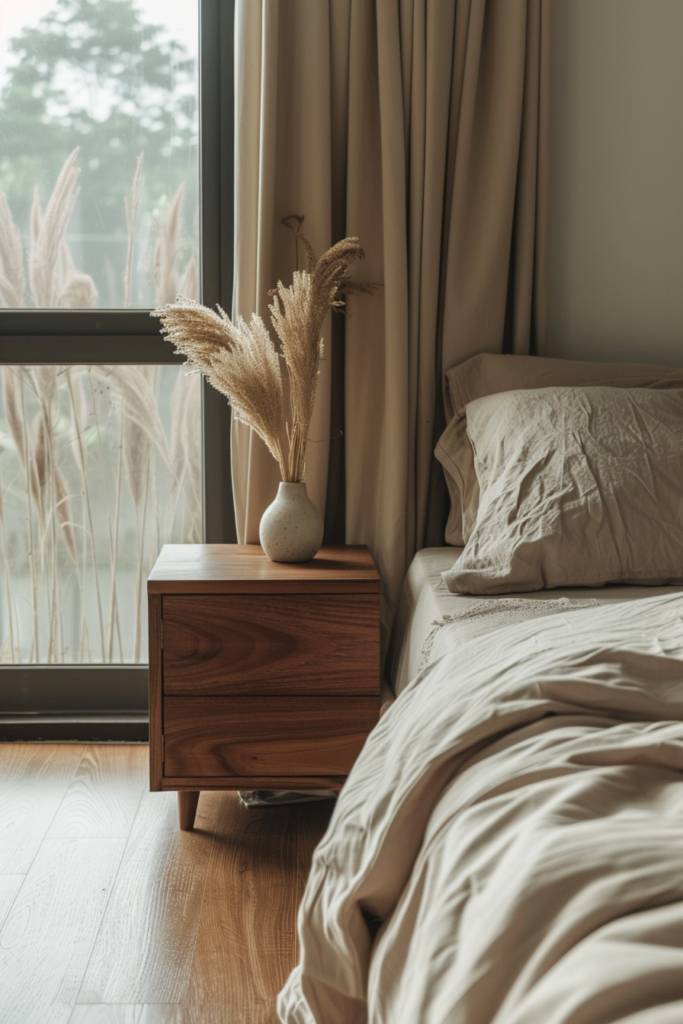
Incorporating natural wood accents into your Japandi design not only enhances the aesthetic but also fosters a sense of warmth and connection to nature. Think about using light woods like birch or ash for furniture, which can bring a fresh, airy feel to your bedroom. A low-profile wooden bed frame or a minimalist nightstand can serve as beautiful focal points while maintaining simplicity.

You might also consider wooden shelves or a handcrafted wooden bench at the foot of your bed to add functional elegance. Layering textures is key, so combining smooth wood finishes with soft fabrics creates a balanced, inviting space.

Don’t forget about decorative items; wooden sculptures or picture frames can subtly tie the room together. Each piece tells a story, enhancing your room’s tranquility and making it a true sanctuary. By thoughtfully selecting wood elements, you can achieve a harmonious blend of comfort and style in your Japandi bedroom.

3.Earthy Color Palettes for a Calming Atmosphere

Natural wood accents beautifully complement earthy color palettes, creating a serene backdrop for your Japandi bedroom. Imagine soft taupes, warm beiges, and muted greens enveloping your space, evoking the tranquility of nature. These colors not only promote relaxation but also enhance the natural light, making your room feel more open and inviting.

By incorporating shades inspired by earth and stone, you can foster a calming atmosphere. Consider using deep terracotta for an accent wall or soft sage on your bedding for a gentle touch. Layering these hues with textured fabrics, like linen or cotton, adds depth and warmth.

To maintain balance, keep your furniture and decor minimalistic, allowing the color palette to shine. With earthy tones enveloping you, you’ll find your Japandi bedroom transforming into a peaceful retreat—perfect for unwinding at the end of a long day. Embrace these colors, and let serenity settle into your space.

4.Incorporating Plants for a Touch of Nature

As you embrace the calming essence of your Japandi bedroom, adding plants can effortlessly bridge the gap between indoor comfort and the tranquility of nature. Consider placing a few low-maintenance plants, like snake plants or pothos, on your windowsill or bedside table. Their lush, green leaves not only purify the air but also infuse your space with life and energy.

Choose pots that reflect the minimalist aesthetic—think muted colors or natural materials like clay or wood. This creates a harmonious blend with your earthy color palette. Hanging plants can also be a stunning choice, drawing the eye upward and adding dimension to your room.

5.Functional Furniture: Beauty Meets Purpose

While you may seek aesthetic beauty in your Japandi bedroom, the true essence lies in the harmony of functionality and design. Choosing functional furniture guarantees that each piece serves a purpose while enhancing your space’s overall appeal. Think about a minimalist bed frame crafted from natural wood, offering both comfort and a grounding presence. A sleek nightstand with built-in storage can declutter your space, keeping essentials within reach without sacrificing style.

Consider multi-functional pieces, like a bench that serves as seating and a storage solution at the foot of your bed. This not only maximizes space but also adds a layer of warmth to the room. By selecting furniture that embodies both beauty and practicality, you’re creating a serene sanctuary that invites relaxation and mindfulness. Remember, in a Japandi-inspired bedroom, every item should elevate your experience, marrying form with function effortlessly.

6.Soft Textiles for a Cozy Retreat

To create a truly inviting Japandi bedroom, incorporating soft textiles is essential, as they add warmth and comfort to the minimalist aesthetic. Think about layering your bed with a plush duvet and an assortment of cushions in natural fabrics like linen or cotton. These materials not only feel soothing against your skin but also enhance the serene vibe of your space.

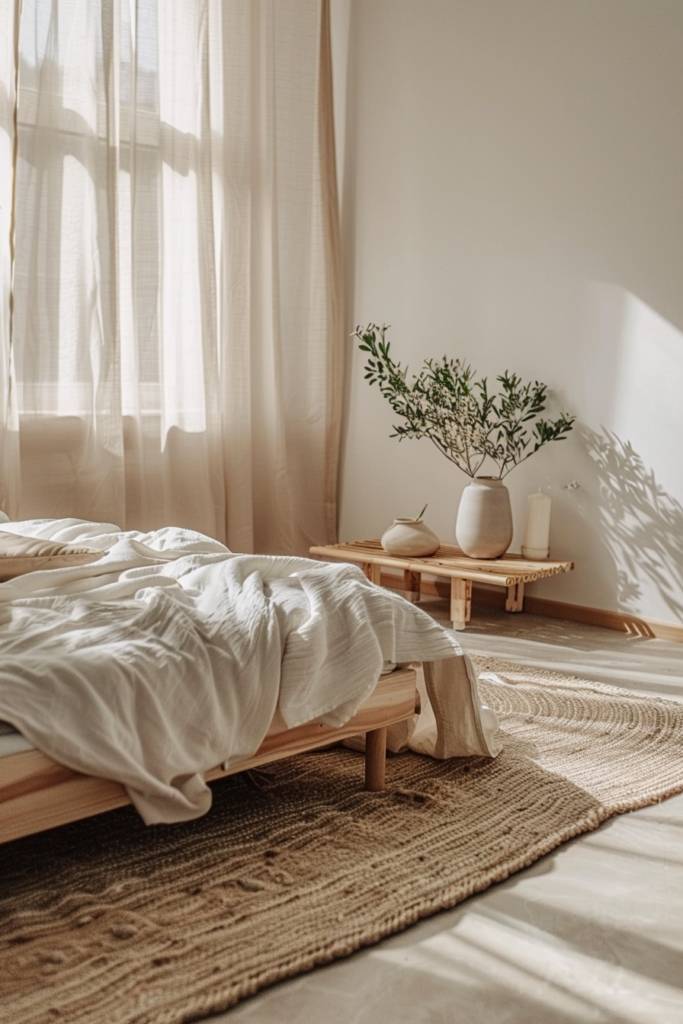
Consider adding a soft area rug beneath your bed to anchor the room and offer a tactile experience underfoot. Opt for neutral tones or muted patterns that complement the overall color palette. Draping lightweight curtains can create a gentle flow of light, enhancing the tranquil atmosphere while providing a soft frame for your windows.

Don’t forget about throws and blankets; they invite you to snuggle in and enjoy a moment of relaxation. By thoughtfully selecting these textiles, you’ll achieve a cozy retreat that embodies the core principles of Japandi design.

7.Japanese Shoji Screens for Privacy and Light

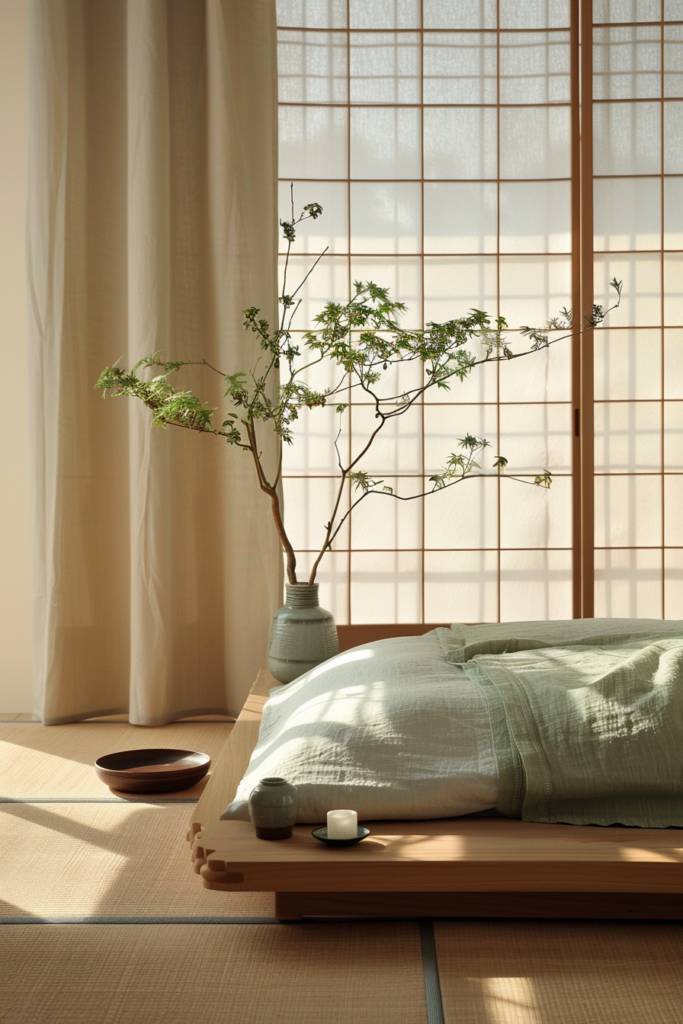
Incorporating soft textiles creates a warm foundation for your Japandi bedroom, but achieving the perfect balance of privacy and natural light can elevate the space even further. Japanese shoji screens are a stunning solution, blending functionality with aesthetic appeal. These delicate screens, traditionally made of wood and rice paper, diffuse sunlight beautifully while maintaining your privacy.

You can position shoji screens to separate different areas within your bedroom, creating intimate nooks for relaxation or meditation. Their light, airy design allows for gentle illumination, softening harsh light while preventing the room from feeling closed off. Imagine waking up to a soft glow filtering through the screens, inviting a sense of calm into your space.

Whether you opt for sliding panels or folding screens, incorporating shoji can harmonize your Japandi style, enhancing the mindful design that this aesthetic embodies. Embrace this timeless element to transform your bedroom into a serene retreat.

8.Open Space: Embracing Minimalism

Embracing minimalism in your Japandi bedroom means creating an open space that breathes tranquility and simplicity. Start by decluttering, removing items that don’t serve a purpose or spark joy. Choose furniture with clean lines and natural materials, like wood or bamboo, that contribute to a serene atmosphere. Opt for a low-profile bed that allows the eye to flow seamlessly across the room, enhancing that sense of openness.

Use a neutral color palette, incorporating soft whites, earthy tones, and muted pastels to create a calm backdrop. Layering textures with textiles like linen or wool can add warmth without overwhelming the space. Consider strategically placing mirrors to reflect light and create an illusion of more space. Finally, embrace negative space—don’t be afraid to leave areas empty, allowing your mind to rest and your soul to breathe. This commitment to minimalism can transform your bedroom into a peaceful sanctuary.

9.Statement Lighting Fixtures That Enhance Ambiance

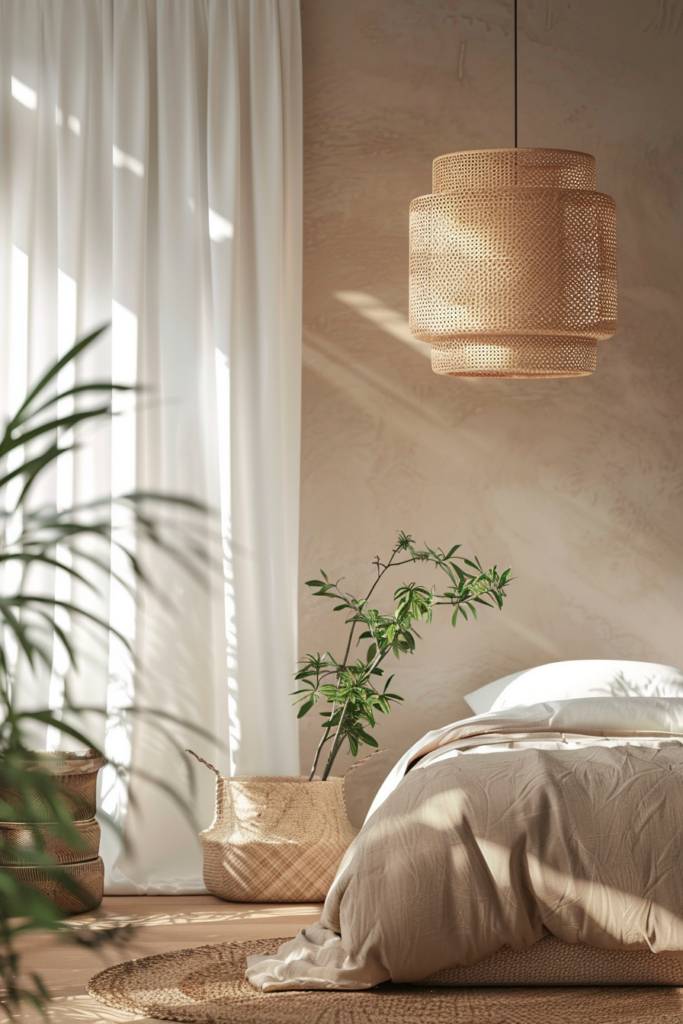
While creating a serene Japandi bedroom, the right lighting can elevate the atmosphere to new heights. Statement lighting fixtures serve as both functional elements and engaging focal points. Think of a minimalist pendant light made from natural materials like bamboo or rattan, casting soft shadows that dance across your walls. A sculptural floor lamp can draw the eye, its clean lines and warm glow inviting relaxation.

You might also consider wall sconces that blend seamlessly with your decor, enhancing the cozy vibe without overwhelming the space. Choose fixtures with adjustable brightness settings so you can tailor the ambiance for various activities, whether it’s reading a book or unwinding after a long day.

10.Low-Profile Beds for a Grounded Feel

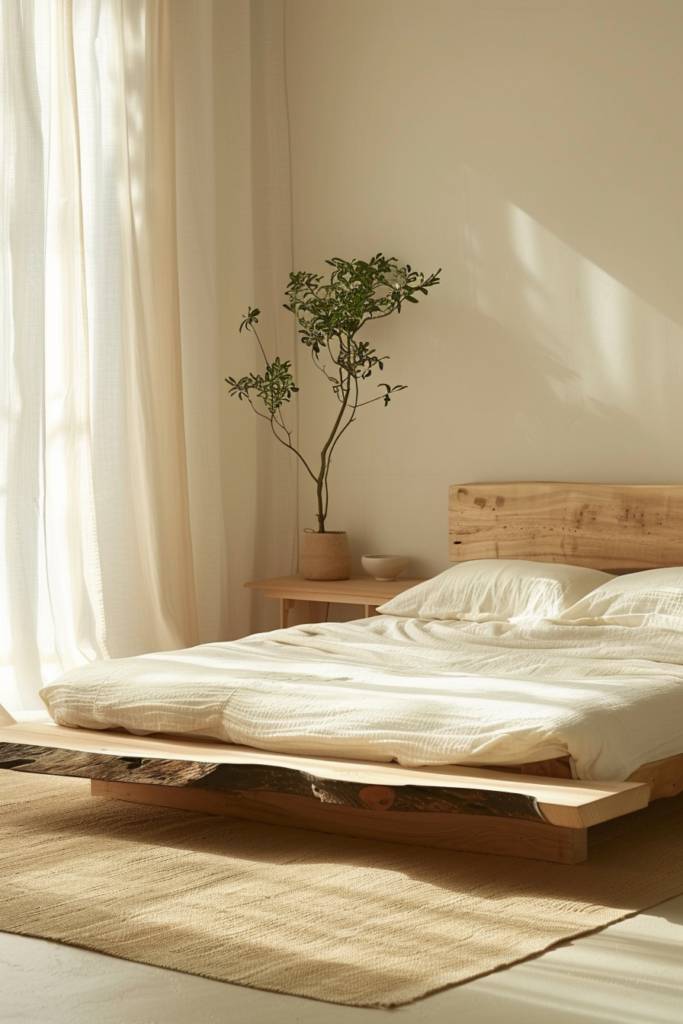
To create a serene and harmonious Japandi bedroom, consider choosing a low-profile bed that gives the space a grounded feel. These beds, often closer to the floor, evoke a sense of tranquility and simplicity, aligning perfectly with Japandi’s minimalist aesthetic. The clean lines and understated designs invite a calming atmosphere, allowing you to unwind effortlessly.

A low-profile bed can also enhance the perception of space, making your room feel larger and more open. Pair it with neutral bedding and natural textiles to maintain that peaceful vibe. You might also incorporate elements like tatami mats or wooden platforms to further emphasize the connection to nature.

11.Zen-Inspired Decor Elements

Incorporating Zen-inspired decor elements can transform your Japandi bedroom into a tranquil retreat. Start by adding natural materials like bamboo or rattan, which evoke a sense of simplicity and connection to nature. Consider a low, wooden platform bed that blends seamlessly with your minimalist aesthetic. Soft, organic textiles—think cotton or linen—can enhance comfort while maintaining a serene atmosphere.

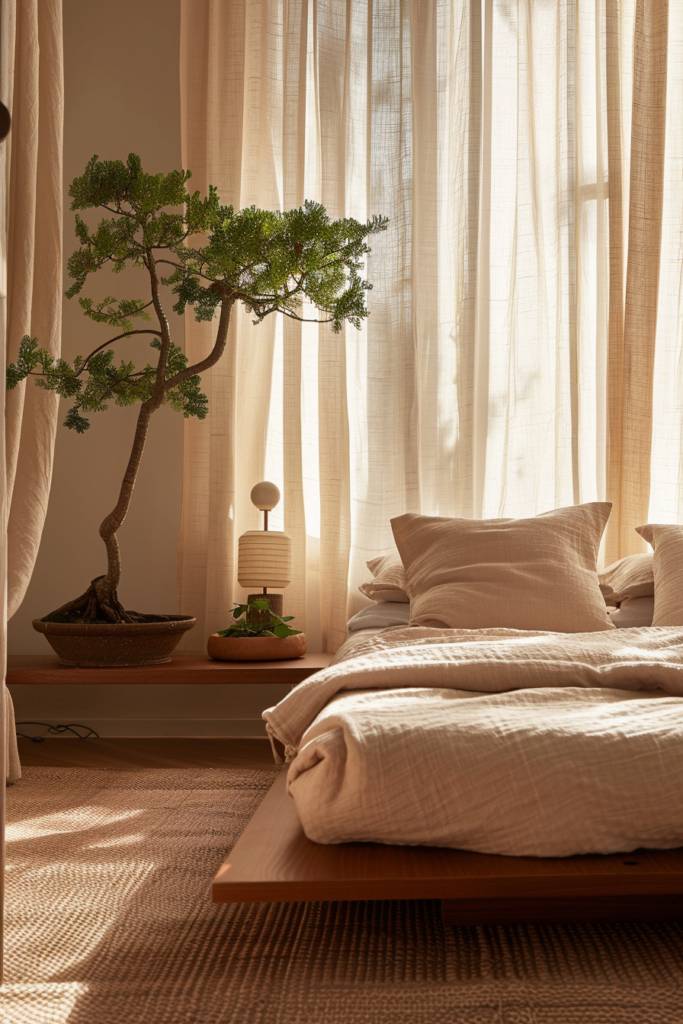
Utilize soft lighting to create a calming ambiance. Paper lanterns or minimalist pendant lights can cast gentle shadows, promoting relaxation. Incorporating indoor plants, such as succulents or bonsai trees, brings life and a touch of greenery, fostering a peaceful environment.

Finally, embrace open space. A clutter-free room invites clarity and calm, allowing you to unwind fully. By integrating these Zen-inspired elements, you’ll cultivate a bedroom that not only looks beautiful but also encourages mindfulness and serenity in your daily life.

12.Neutral Tones to Foster Calmness

Creating a harmonious atmosphere in your Japandi bedroom often begins with the choice of color palette. Embracing neutral tones like soft beiges, gentle grays, and muted whites can transform your space into a tranquil retreat. These colors not only foster calmness but also create a serene backdrop that enhances the simplicity inherent in Japandi design.

Imagine walking into a room where the walls are painted in a warm taupe, evoking a sense of comfort and peace. Accents of sandy beige in your bedding and curtains can further soften the ambiance, allowing you to breathe and unwind. Pairing these shades with natural wood furniture adds warmth, grounding the space while maintaining an airy feel.

13.Layering Textures for Depth and Interest

While embracing the Japandi aesthetic, layering textures can elevate your bedroom from simply serene to truly inviting. Start with a soft, neutral bedding set to create a calming base. Then, consider adding a chunky knit throw, draped casually across the foot of the bed. This not only adds warmth but also invites you to snuggle in.

Incorporate various materials like smooth wood, soft linen, and natural fibers to create a tactile experience. A woven wall hanging or a rattan pendant light can introduce visual interest, breaking up the simplicity of your space.

Don’t forget about rugs! A plush area rug underfoot can provide comfort while grounding the room. By thoughtfully mixing these textures, you’ll achieve depth and dimension, making your Japandi bedroom not just a retreat, but a sensory experience that nurtures relaxation and well-being.

14.Monochromatic Schemes for a Cohesive Look

When you want to achieve a harmonious atmosphere in your Japandi bedroom, embracing a monochromatic color scheme can work wonders. By selecting varying shades of a single color, you create a soothing environment that promotes relaxation and mindfulness. Imagine soft whites, gentle grays, or earthy taupes flowing seamlessly throughout the space.

Incorporate different textures—think linen bedding, a woolen throw, and a sleek wooden nightstand—to add depth while maintaining the color coherence. This approach not only enhances visual appeal but also evokes feelings of calm and serenity.

To elevate your design, consider accentuating with subtle patterns in your textiles, such as a muted geometric print on your curtains or a delicate stripe on your pillows. This nuanced layering within a monochromatic palette keeps the room feeling dynamic yet cohesive. Ultimately, a monochromatic scheme invites tranquility, making it the perfect foundation for your Japandi sanctuary.

15.Handmade Ceramics as Unique Touches

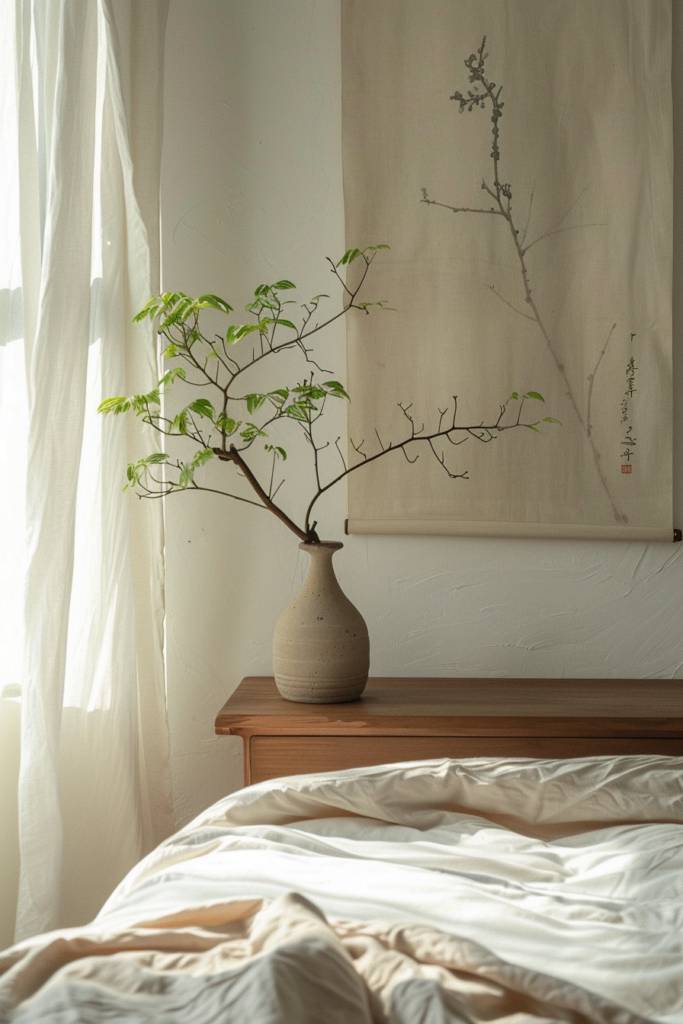
Handmade ceramics can add a distinctive charm to your Japandi bedroom, infusing it with character and warmth. These artisanal pieces—like vases, bowls, and decorative plates—bring a unique touch that mass-produced items simply can’t match. Imagine a simple, earthy clay vase sitting on your nightstand, showcasing a few fresh flowers. It not only enhances your decor but also connects you to nature, a key principle of Japandi design.

You might want to contemplate incorporating ceramic elements in unexpected ways, such as a textured planter or a handcrafted lamp base. The subtle imperfections and organic shapes of handmade ceramics create a sense of authenticity and tranquility. These pieces can also serve as conversation starters, allowing you to share stories about their origins. Ultimately, adding handmade ceramics to your space is a beautiful way to celebrate craftsmanship while embracing the minimalist ethos of Japandi style.

16.Creating a Reading Nook With Japandi Flair

To create a cozy reading nook infused with Japandi flair, you’ll want to blend functionality with serenity. Start by choosing a corner of your bedroom that feels inviting and peaceful. A low, wooden bench or a minimalist armchair can serve as your seating, providing comfort without overwhelming the space. Layer soft, neutral textiles like a cotton throw or linen cushions to enhance coziness.

Next, incorporate natural elements. A small indoor plant or a simple wooden side table can bring a touch of nature indoors, grounding the area. For lighting, consider a warm-toned floor lamp or a pendant light that casts a soft glow, perfect for late-night reading.

Finally, keep your reading materials organized. A sleek bookshelf or a woven basket can hold your favorite novels, ensuring the nook remains uncluttered. With these elements, you’ll create a serene sanctuary that invites relaxation and inspires your love for reading.

17.Incorporating Art With a Mindful Touch

Art can elevate your Japandi bedroom, adding character while maintaining a sense of calm. To create that serene environment, consider selecting pieces that reflect both Japanese minimalism and Scandinavian functionality. Opt for simple line drawings or abstract landscapes in muted tones. These artworks not only enhance your space but also invite contemplation.

Placement matters too—hang a piece above your bed or a reading nook to draw the eye upward, creating a sense of spaciousness. You might also incorporate handmade ceramics or wooden sculptures, embodying the natural materials central to Japandi design.

18.Natural Fiber Rugs for Warmth and Comfort

While a well-designed Japandi bedroom emphasizes simplicity and functionality, incorporating natural fiber rugs can add a layer of warmth and comfort. These rugs, crafted from materials like jute, sisal, or wool, not only enhance the aesthetic but also offer a tactile experience that invites you to relax. Imagine stepping onto a soft, textured surface that grounds your space, providing a cozy feeling underfoot.

Natural fiber rugs come in various designs, from minimalist patterns to earthy tones, seamlessly blending with your decor. They absorb sound, creating a peaceful atmosphere, perfect for unwinding after a long day. Plus, their durability makes them an excellent choice for high-traffic areas, ensuring they withstand daily use while maintaining their charm.

19.Sliding Doors for Space Efficiency

Natural fiber rugs create a cozy foundation in your Japandi bedroom, but don’t overlook the impact of sliding doors in maximizing your space. These doors not only add a sleek, modern touch but also optimize the layout of your room. Unlike traditional doors that swing open and require clearance, sliding doors glide effortlessly along a track, making them perfect for smaller spaces.

Imagine how they can seamlessly separate your sleeping area from a workspace or closet, enhancing functionality without sacrificing style. You can choose from various materials—wood, glass, or a mix—that align with the Japandi aesthetic of minimalism and natural elements.

Incorporating sliding doors can create an open, airy feel, allowing natural light to flow through while providing privacy when needed. By embracing this design choice, you elevate both the aesthetics and practicality of your Japandi bedroom, transforming it into a serene sanctuary.

20.Built-in Storage Solutions to Reduce Clutter

To create a serene and clutter-free Japandi bedroom, built-in storage solutions are essential, as they seamlessly blend functionality with the minimalist aesthetic. Think of sleek cabinetry that lines the walls or a bed frame with hidden drawers. This not only maximizes your space but also keeps your essentials out of sight, maintaining that calm, tidy vibe you desire.

Consider a floating shelf for books or decorative items, adding vertical height without overwhelming the room. A custom closet can be tailored to your needs, featuring compartments for everything from clothes to accessories. You might also opt for recessed nooks to store bedside essentials, ensuring everything has its place.

These thoughtful storage solutions encourage mindfulness, allowing you to focus on relaxation and peace. By reducing clutter, you create an inviting atmosphere that embodies the Japandi philosophy of simplicity and tranquility. Embrace these ideas, and watch your bedroom transform into a sanctuary.

21.Incorporating Tatami Mats for Authenticity

After establishing a clutter-free environment with built-in storage, consider adding tatami mats to enhance the authenticity of your Japandi bedroom. These traditional Japanese mats, made from rice straw and covered with woven rush grass, instantly bring warmth and a sense of tranquility to your space. Their natural materials not only offer comfort underfoot but also contribute to the serene aesthetic that defines Japandi design.

Positioning tatami mats can create a designated area for relaxation or meditation, grounding the room in simplicity and mindfulness. You might choose to layer them with soft cushions for a cozy reading nook or place a low table atop for tea ceremonies. The earthy tones of tatami mats harmonize beautifully with wooden furniture and neutral color palettes, reinforcing the balance of rustic charm and modern minimalism. Embracing tatami in your bedroom invites a deeper connection to nature and a peaceful retreat from daily life.

22.Soft Lighting for Relaxation and Peace

While you may have the perfect furnishings and decor in your Japandi bedroom, the right lighting can truly transform the atmosphere into a sanctuary of relaxation and peace. Soft, warm lighting is essential; it creates a calming ambiance that invites you to unwind. Consider using dimmable LED bulbs or soft lamps that emit a gentle glow, allowing you to adjust the brightness to suit your mood.

Incorporating paper lanterns or woven pendant lights can enhance that serene aesthetic, casting beautiful shadows that dance across your walls. You might also explore bedside sconces with warm tones, providing just enough light for nighttime reading without disrupting your tranquility. Layering different light sources—ambient, task, and accent—ensures every corner feels inviting. Ultimately, soft lighting not only beautifies your space but also nurtures a sense of peace, making your Japandi bedroom a true retreat for relaxation.

23.Using Mirrors to Enhance Light and Space

Soft lighting sets the stage for a calming atmosphere, but mirrors can amplify that serenity by enhancing both light and space in your Japandi bedroom. By strategically placing mirrors, you can reflect soft light, making the room feel brighter and more open. Consider a large, minimalist mirror opposite a window; it’ll bounce natural light throughout the space, creating an airy ambiance.

Incorporate mirrors with simple frames or natural materials to maintain the Japandi aesthetic. A small, circular mirror above a bedside table can add a touch of elegance while serving a functional purpose.

Don’t shy away from using multiple mirrors; just make sure they complement each other and the overall design. This mindful approach not only elevates the visual appeal but also promotes a sense of tranquility. With the right mirrors, you’ll transform your bedroom into a peaceful haven, inviting both light and serenity into your daily life.

24.Crafting a Meditation Corner in Your Bedroom

Creating a meditation corner in your bedroom can transform your space into a sanctuary for mindfulness and relaxation. Start by choosing a quiet nook, away from distractions. A soft, plush mat or a simple cushion can provide a comfortable seating option. To enhance serenity, consider natural elements like plants or a small water feature, which can help purify the air and create a calming atmosphere.

Lighting is key; opt for soft, warm lamps or candles to create a cozy ambiance. You might also hang a lightweight curtain to delineate this peaceful space, giving it a sense of intimacy. Surround yourself with items that inspire tranquility—perhaps a journal for reflection or a calming image on the wall. Remember, it’s about creating a personal retreat that encourages mindfulness, so let your intuition guide you in crafting a corner that feels uniquely yours, inviting stillness and peace into your daily routine.

25.Personalizing Your Japandi Space With Meaningful Decor

To truly make your Japandi bedroom feel like home, infusing it with meaningful decor is essential. Start by selecting pieces that resonate with you, such as handcrafted pottery or textiles that tell a story. Incorporate elements like a cherished photograph or a trinket from your travels to create a personal touch.

Opt for natural materials, like wood and stone, to maintain the Japandi aesthetic while adding warmth. A few well-placed plants can enhance tranquility and bring a sense of life into your space.

Consider the balance of light and dark, mixing soft hues with deeper shades to create a serene atmosphere.

Lastly, don’t shy away from minimalism; choose decor that reflects your personality without overwhelming the senses. Every item should evoke a sense of calm and purpose, transforming your bedroom into a sanctuary of mindful living.

Conclusion

By embracing these Japandi bedroom ideas, you can create a tranquil sanctuary that promotes relaxation and mindfulness. With minimalist bedding, natural wood accents, and earthy color palettes, each element contributes to a serene atmosphere. Don’t forget to incorporate plants and soft lighting to enhance the calming vibe. Personalizing your space with meaningful decor and creating a meditation corner can transform your bedroom into a harmonious retreat. Start your journey towards a peaceful haven today!

Filed Under: Uncategorized Tagged With: Japandi design, mindful retreat, minimalism

Primary Sidebar

16 Boho Farmhouse Living Room for Eclectic Comfort

November 19, 2025

16 Boho Farmhouse Bedroom for Cozy Retreats

November 19, 2025

17 Low Maintenance Bathroom for Functional Style

November 19, 2025

19 Fall Tray Decor Ideas for Stylish Displays

November 19, 2025

18 Organic Modern Bathroom for Natural Comfort

November 19, 2025

Forget flushing the toilet without handle, if you ever consider buying new toilet, please consider buying this amazing toilet

[amazon box="B001U6EFKE"]